
Kidney Disease: Causes, Management, and What You Need to Know
When your kidney disease, a condition where the kidneys lose their ability to filter waste and excess fluids from the blood. Also known as chronic kidney disease, it often develops slowly and quietly, with few early symptoms until damage is advanced. This isn’t just about not peeing enough—it’s about your body losing control over what stays in and what gets flushed out. Without healthy kidneys, toxins build up, blood pressure spikes, and your bones, heart, and nerves start to suffer.
One of the biggest dangers in kidney disease is electrolyte imbalance, a disruption in the levels of minerals like potassium, phosphate, and magnesium that your body needs to function. When kidneys fail, they can’t regulate these properly. Too much potassium imbalance, a dangerous rise in blood potassium that can trigger irregular heartbeats or even cardiac arrest is common and often deadly if missed. Low phosphate deficiency, a drop in phosphate that weakens bones and causes muscle fatigue shows up in many patients, while magnesium deficiency, a lack of magnesium that worsens muscle cramps and heart rhythm problems is frequently overlooked. These aren’t side effects—they’re direct results of failing kidney function.
Managing kidney disease means watching what you eat, tracking your meds, and understanding how other conditions like diabetes or high blood pressure make it worse. It’s not just about pills—it’s about daily choices. A diet too high in salt or processed foods can push your kidneys further into decline. Some medications, even common ones like NSAIDs, can hurt them more. And when you’re on dialysis or waiting for a transplant, every detail matters: how much fluid you drink, when you take your phosphate binders, whether your potassium levels are stable.
You’ll find real, practical advice here—not theory, not fluff. We cover how to spot early warning signs, what lab results actually mean, and how to avoid the most common mistakes people make when managing this condition. Whether you’re newly diagnosed, caring for someone with kidney disease, or just trying to protect your kidneys before it’s too late, the posts below give you the tools to act—before it’s an emergency.
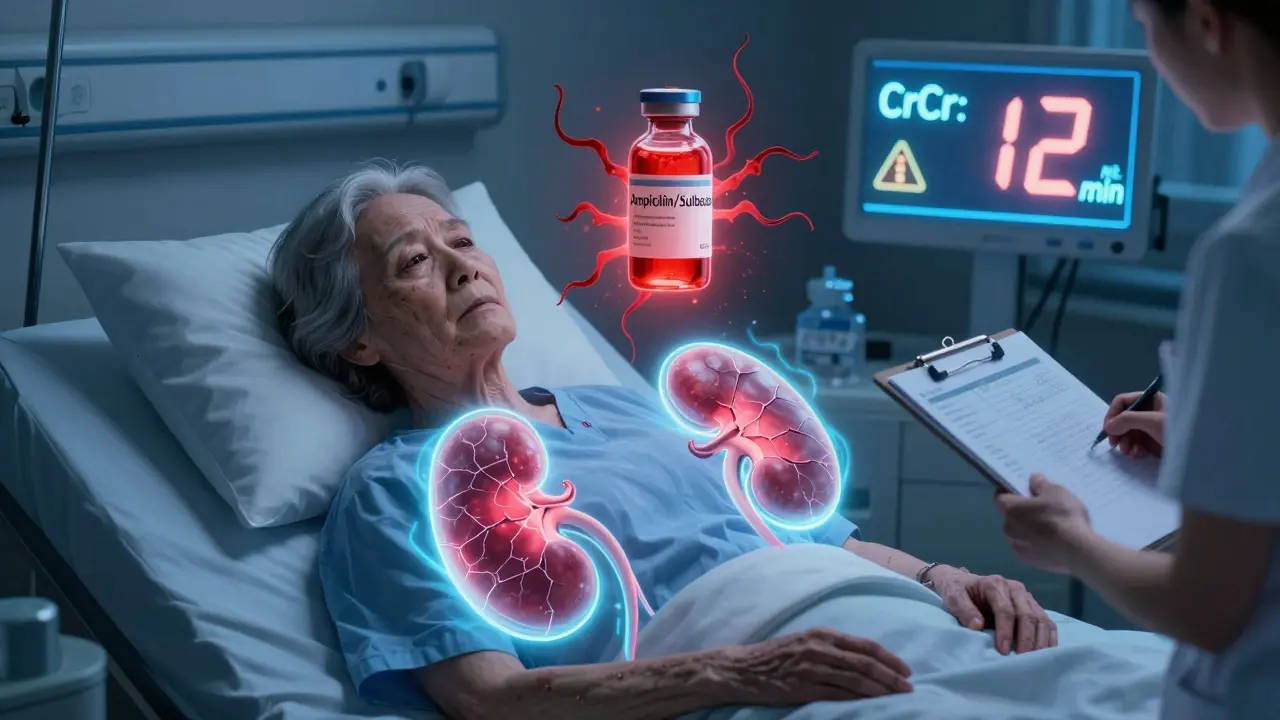
Renal Dosing of Antibiotics: Avoiding Toxicity in Kidney Disease
Renal dosing of antibiotics is critical for patients with kidney disease to avoid toxicity and treatment failure. Learn how creatinine clearance guides dosing, why guidelines vary, and how to adjust for acute vs. chronic kidney injury.
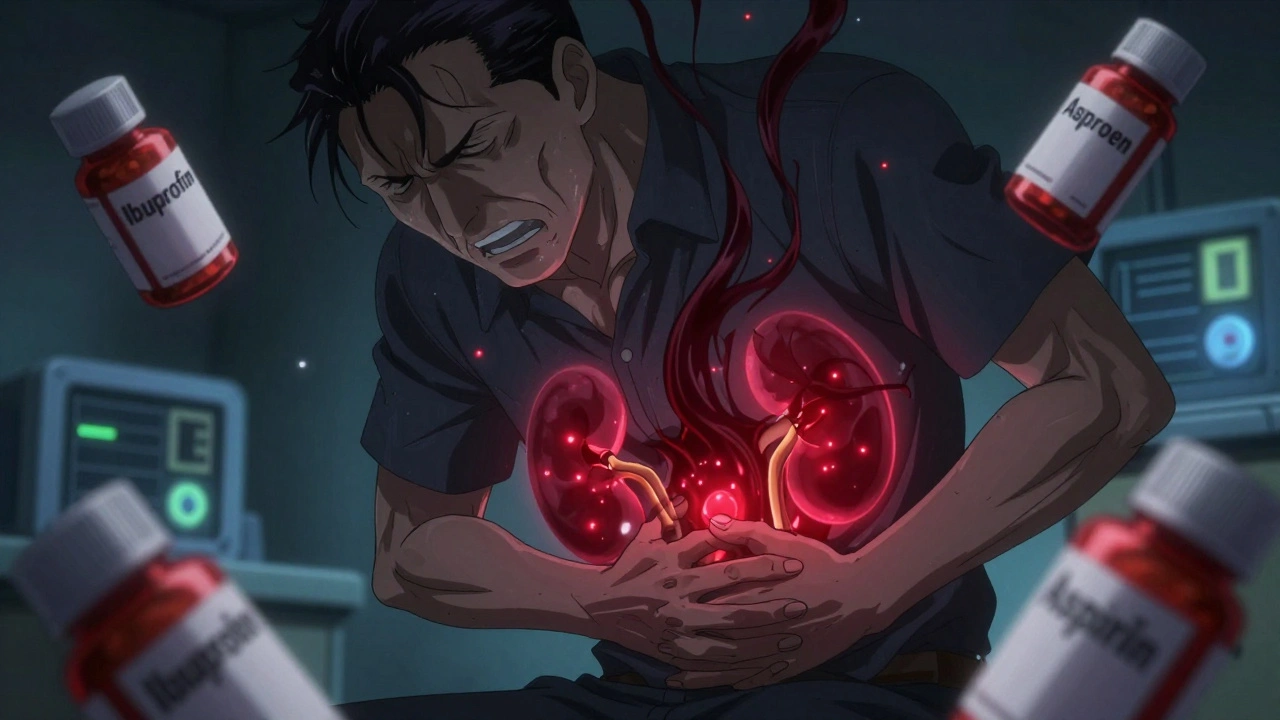
NSAIDs and Kidney Disease: How to Prevent Acute Kidney Injury
NSAIDs like ibuprofen can cause sudden kidney injury, especially in people with existing kidney disease. Learn how to recognize the risks, avoid dangerous drug combinations, and choose safer pain relief options.