
Drug Safety: Protect Yourself from Dangerous Interactions and Side Effects
When you take a medication, drug safety, the practice of using medicines in a way that minimizes harm while maximizing benefit. Also known as medication safety, it’s not just about following the label—it’s about understanding how your body, your genes, and other drugs you take can turn a simple pill into a serious risk. Every year, millions end up in the ER not because they took too much, but because they didn’t know two common meds could clash in deadly ways—like mixing opioids with alcohol, or taking omeprazole with clopidogrel and unknowingly raising your chance of a heart attack.
Drug safety isn’t one-size-fits-all. Your pharmacogenomics, how your DNA affects how your body breaks down drugs. Also known as genetic drug response, it explains why one person gets sick from a standard dose while another feels fine. Women, for example, are nearly twice as likely to have bad reactions to meds because most clinical trials were done on men. And if you’re over 65, taking five or more drugs? Your risk of a dangerous interaction jumps fast. That’s why medication reconciliation after hospital discharge isn’t paperwork—it’s a life-saving step.
It’s not just about what’s in the bottle. counterfeit drugs, fake pills sold online as real medications. Also known as fake medication, they’re flooding the market, especially for popular drugs like bupropion or ED pills. These can have no active ingredient, or worse—they might contain rat poison or fentanyl. And even if you buy from a "trusted" foreign site, you’re playing Russian roulette with your liver, your kidneys, your heart. Real drug safety means knowing where to buy, how to spot a fake, and why "cheap" isn’t worth the risk.
Some side effects are obvious—nausea, dizziness. Others? Silent. A drug can slowly wreck your liver, like clozapine, or trigger a sudden eye emergency that blinds you in hours. You won’t feel it coming until it’s too late. That’s why monitoring matters. Blood tests. Asking your pharmacist. Knowing your family’s history. It’s not paranoia—it’s prevention.
Drug safety isn’t just for doctors. It’s for you. Whether you’re managing chronic pain, taking antidepressants, or just trying to save money on generics, the same rules apply: know your meds, check for clashes, question changes, and never assume "it’s just a pill." Below, you’ll find real stories, real risks, and real fixes—from how to childproof your medicine cabinet to why your DNA might be the key to safer treatment. This isn’t theory. It’s what keeps people alive.
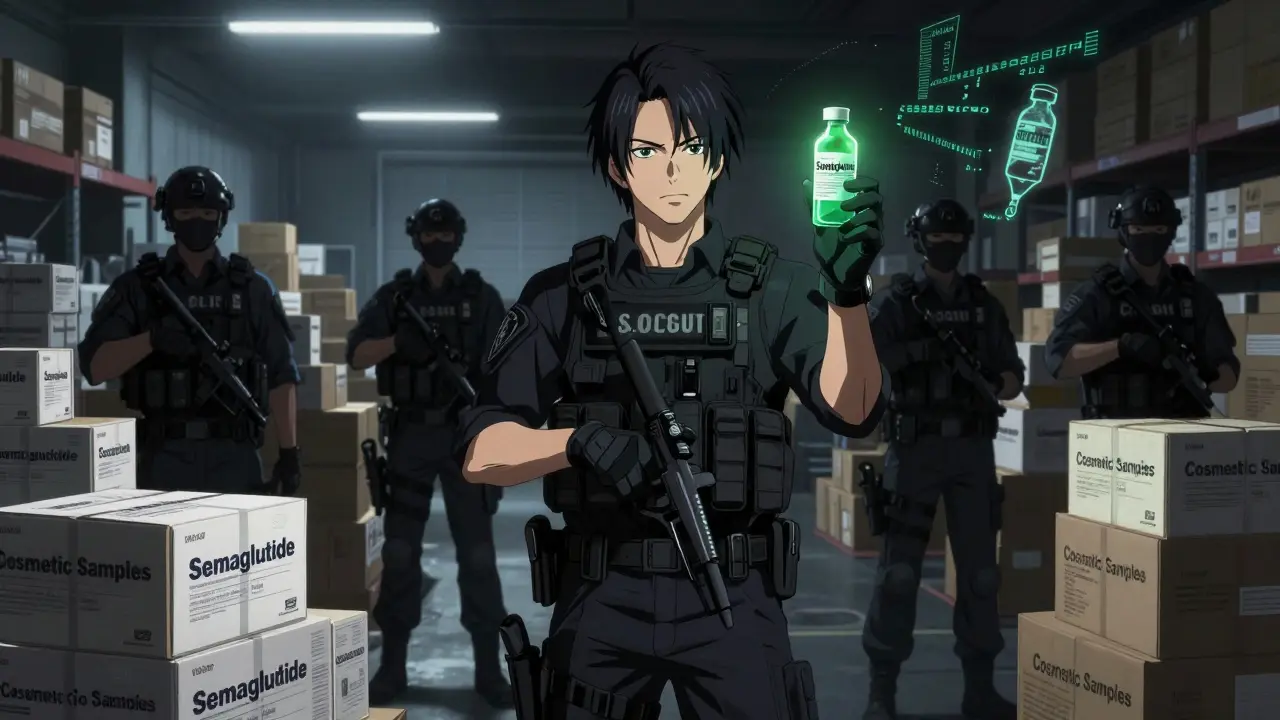
Seized Counterfeit Medications: Real Cases and What They Teach Us About Drug Safety
Counterfeit medications are a growing global threat, with millions of fake pills and injectables seized each year. Real cases show how dangerous these fakes are-and what we can do to stop them.
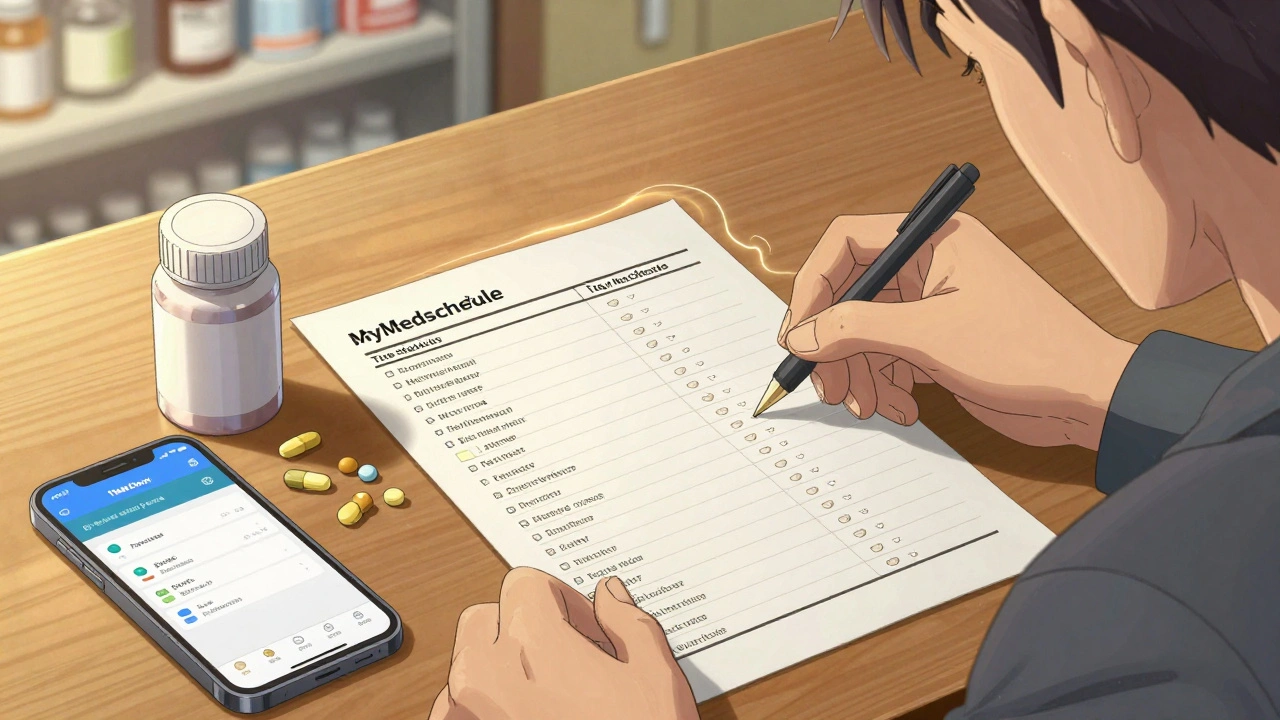
Creating Your Personal Medication List: What to Include for Safety
A personal medication list is a simple but powerful tool to prevent dangerous drug interactions, reduce errors, and ensure safety during medical emergencies. Know exactly what to include and how to keep it updated.