
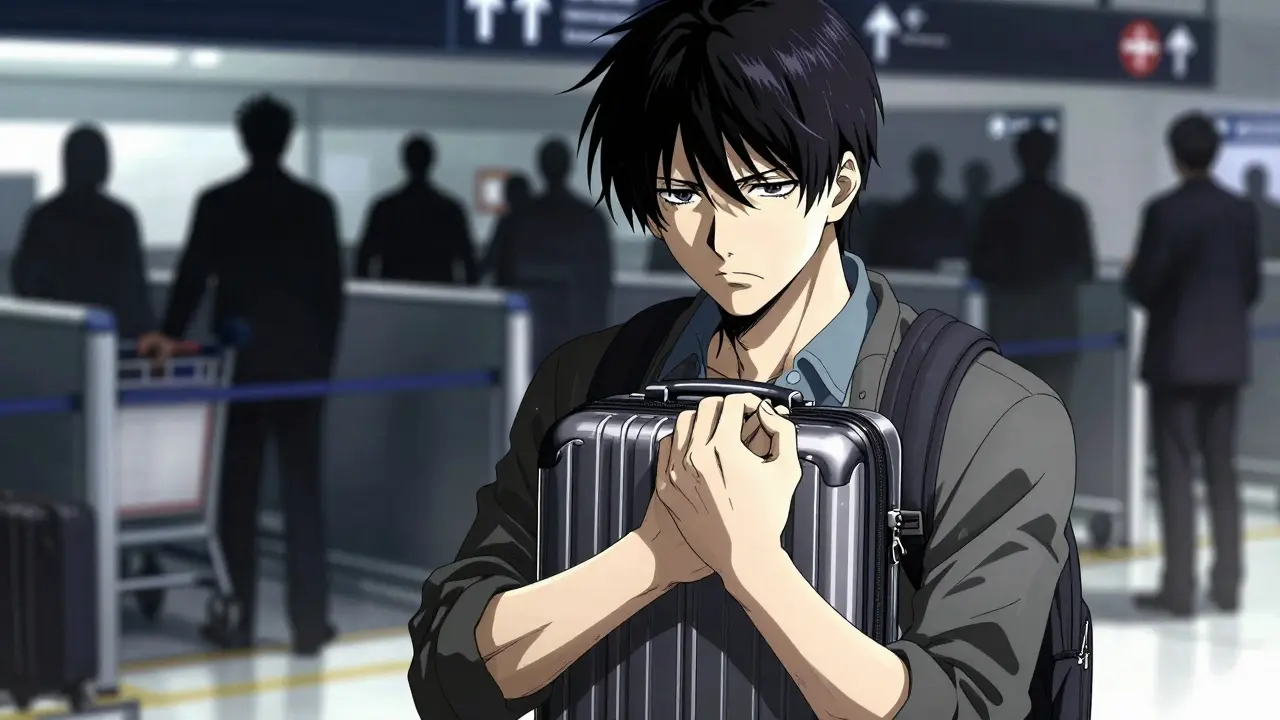
Making sure your medicine gets to your destination is hard enough without thieves targeting it. You might think leaving your pills in a checked bag is safe, but that is exactly where most travelers get caught. The numbers back this up: medication theft makes up about 12% of all travel incidents involving health supplies. And when we talk about controlled substances-the kind that get you high, help you sleep, or manage severe pain-you become a walking target. Thieves know these have street value. If you lose oxycodone or Adderall, it isn't just a health crisis; it could be a legal nightmare.
You need to treat your medication like cash. Keeping it in sight and properly documented is the only way to stop people from stealing it or taking legal action against you for carrying it. In this guide, I will walk you through the exact steps to protect your supply, what papers you absolutely need, and how to keep your stash from turning into contraband when crossing borders.
The Basics of Controlled Substance Storage
First, you need to understand what the law considers "controlled." The Drug Enforcement Administration, known as the DEA, classifies drugs into schedules based on their abuse potential. Schedule II substances like hydrocodone or oxycodone carry the highest risk because they are highly addictive. These are the ones criminals want most. Even lower-schedule drugs like certain benzodiazepines or ADHD meds can get you detained if you don't have the right paperwork.
Your first line of defense is how you pack them. Never put controlled meds in checked luggage. Airlines lose 25.5 bags per 1,000 passengers globally. If your suitcase goes missing, you won't just lose your clothes; you lose your lifeline. Worse, a thief rummaging through your checked bag might steal your pills before the airline even realizes the bag is gone. Keep everything in your carry-on bag. It stays with you through the flight, meaning you always know where your medicine is.
Why Your Pill Bottle Matters More Than You Think
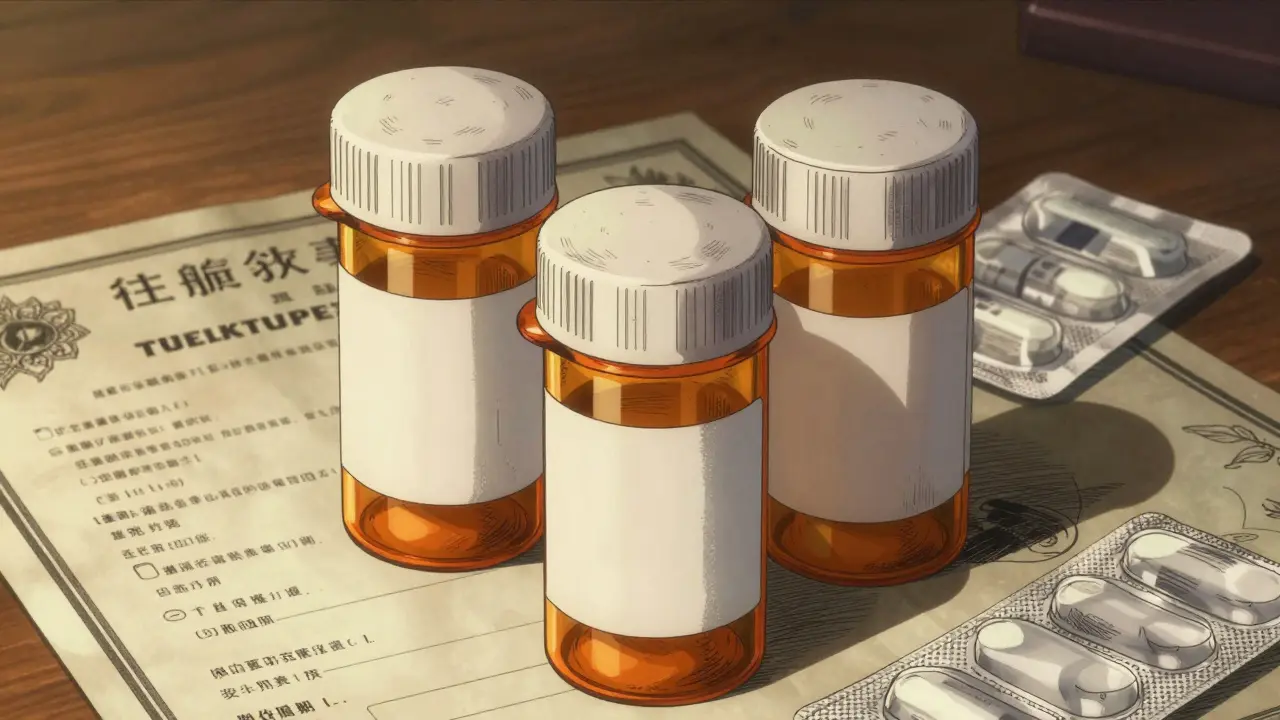
Walking through an airport with a generic plastic bottle labeled "Painkiller" is an open invitation to trouble. Security officers see thousands of pills daily, and they need to know instantly that those belong to you. The gold standard is the original prescription container from your pharmacy. This bottle has your name, the doctor's name, and the exact dosage printed clearly. About 78% of issues at airports happen because medications were repackaged into unlabeled containers.
If you hate the bulk of five different bottles, you have options, but they come with caveats. Some rules allow secondary containers if they match the original label exactly. For example, transferring pills to a smaller organizer works for daily use, but you must still carry the original bottles in your carry-on for border checks. A real traveler story highlights this perfectly: one person flew to London with oxycodone in a clear organizer. They got stuck at customs for four hours because the officer couldn't verify the source immediately. They had to wait for embassy verification just to enter the city. Don't gamble with your time or freedom.
Documentation: Your Legal Shield
Papers beat arguments every time. Before you leave home, get a letter from your prescribing physician. This isn't just a casual note on clinic letterhead. It needs to include your diagnosis, the medical necessity of the drug, and the brand/generic names. The Centers for Disease Control recommends this for almost all international trips.
| Document Type | Required By | Key Details |
|---|---|---|
| Doctor's Letter | Airports / Customs | Name, Diagnosis, Dosage, Prescriber Info |
| Original Labels | TSA / Border Control | Patient Name + Pharmacy Details |
| Copy of Prescription | Local Pharmacies | In Case of Theft for Replacement |
Also, scan every piece of paper to your email before you leave. If your passport gets stolen along with your docs, digital copies can save your skin. Some countries, like Japan and Saudi Arabia, are incredibly strict. They might confiscate meds even with a prescription. Checking the embassy website for the specific country you are visiting is non-negotiable. Over 41 countries require advance authorization for certain substances, regardless of whether you hold a valid U.S. prescription.
Managing Risk During Hotel Stays
Most thefts happen not at the gate, but in your room. Criminals target hotel guests specifically when they smell medicine or see pill bottles on a nightstand. Statistics show that nearly 90% of these incidents occur in accommodations. Always lock your valuables away.
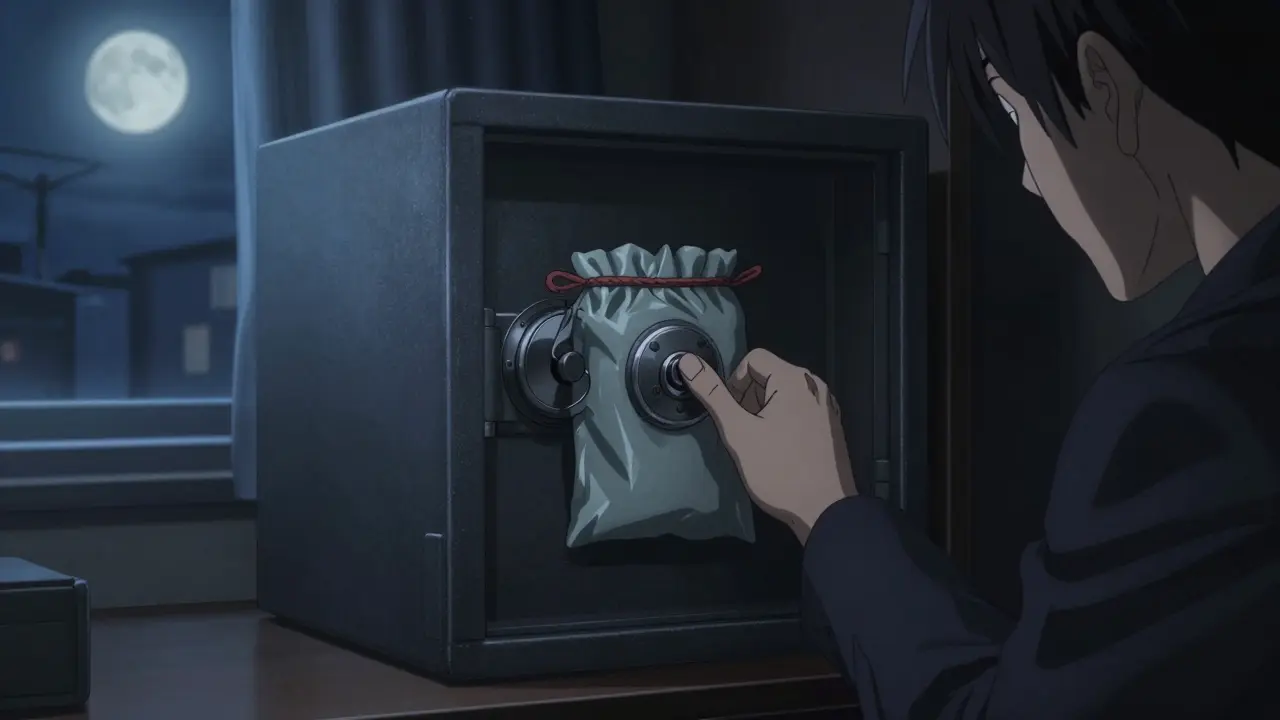
Using a hotel safe is mandatory, but make sure it's bolted down. If the room safe looks flimsy, ask the front desk if they have an in-room locking box or store your meds in their main vault. If you take a vacation rental, install portable door alarms or lock boxes. Another trick? Buy an opaque bag for your meds. Thieves often spot color-coded labels on bottles from outside the bathroom window. Using discreet packaging adds a layer of visual security.
Rental cars are another hotspot. Never leave your meds in the glove box while running into a store. The sun warms the car, potentially ruining your supply. Heat sensitivity is real-drugs like buprenorphine films degrade quickly if temperatures exceed 77°F. A melted pill is useless, and a locked trunk isn't safe enough to leave alone.
What To Do If Theft Occurs
Despite your best efforts, bad things happen. If your meds go missing, act fast. File a police report within 24 hours. This document becomes crucial for your insurance claim. Data shows that only 17% of theft claims get approved without timely police documentation, compared to 89% with it.
Replacement isn't immediate either. Federal rules generally prevent pharmacies from refilling Schedule II drugs more than five days early. However, if you file a report quickly, some pharmacies can process emergency replacements faster. There was a pilot program starting in 2024 that helps verify lost prescriptions electronically, cutting replacement time from 72 hours down to 4 hours in some regions.
If you need a refill across state lines, prepare for friction. State prescription monitoring programs now share data online. If you suddenly try to fill a large prescription in Florida when your last fill was in Texas, flags will trip. Having your doctor call ahead can smooth this over. Without that connection, you might face delays that disrupt your treatment plan.
Tips for Long-Term Travelers
If you are abroad for months, calculating the right quantity is vital. Carry no more than a 14-day supply for short trips, plus three extra doses. Bringing six months of narcotics raises red flags for customs agents everywhere. Stick close to your itinerary length. Also, consider buying local meds upon arrival for routine needs, but only with a doctor present in that country who writes a fresh prescription. Trying to smuggle huge volumes of meds into a foreign nation often triggers seizure by authorities.
Can I pack controlled meds in checked luggage?
No, never pack controlled medications in checked bags. The Transportation Security Administration mandates keeping them in carry-on luggage to prevent loss and unauthorized access during transit.
Do I need a prescription copy when flying internationally?
Yes, carry a copy of your prescription and a doctor's letter. Many countries require proof of legitimate medical need to import controlled substances legally.
What happens if my meds are stolen overseas?
File a local police report immediately. Use this document to contact your doctor for emergency refills and to submit an insurance claim for the lost cost.
Are there specific countries that ban common US meds?
Yes, countries like Japan, Saudi Arabia, and UAE have zero-tolerance policies for ingredients like codeine or pseudoephedrine. Always check customs regulations before departure.
How much medication should I bring?
Carry a reasonable supply matching your trip duration (typically 14 days max) plus a small buffer. Large quantities can lead to suspicion of trafficking or smuggling charges.

Goodwin Colangelo
April 3, 2026 AT 07:06I learned this the hard way when my suitcase went through scanning procedures in London
You always want to verify that the hotel safe is actually bolted down before trusting it with your supply
Many cheap motels install fake safes that just sit in the closet without any mounting points
A thief can just grab the unit and drive away with all the valuables inside
Make sure to check the stability of the box while you are unpacking your room
Ask the front desk staff where their secure vault is located if the in-room option feels flimsy
This extra step takes five minutes but saves hours of paperwork later
Joseph Rutakangwa
April 4, 2026 AT 23:53Taking control of storage is essential for safety
Ace Kalagui
April 5, 2026 AT 19:33I traveled through three Asian airports last month and every single border agent had a scanner
My pills were hidden in a toiletry bag inside my backpack
They opened the bag and looked right at the labels
Nobody seemed to care about the contents as long as I was polite
The key is definitely having that doctor letter printed on official letterhead
I read somewhere that generic pharmacy slips get ignored by officials in Tokyo
You have to carry the original bottle even if you have a pill organizer for daily use
Losing those originals means you lose the ability to prove medical necessity
Customs agents don't understand American prescription formats easily
It helps to keep everything in a clear plastic bag for the x-ray machines
Some places still make you walk through the metal detector with your bags
Keep the meds cool so they do not melt during the flight
Heat destroys the chemical structure of certain opioids very quickly
I once saw a man cry because his meds were confiscated without warning
Just follow the rules and pack them correctly to avoid legal trouble
angel sharma
April 7, 2026 AT 01:08Your dedication to preparation really shines through here and it gives everyone hope
Knowing the exact regulations beforehand removes so much stress from the journey
Stay organized and keep your focus on the destination rather than the fear
Travel is meant to be relaxing not something that causes panic attacks
Preparation is the ultimate power tool for travelers everywhere
Keep pushing forward with confidence knowing you have done your due diligence
Joey Petelle
April 8, 2026 AT 02:31Surely the masses cannot comprehend the intricacies of international narcotics law
People think a piece of paper solves existential dread regarding security checkpoints
We are all just meat sacks carrying chemicals for temporary relief
The bureaucracy loves making individuals feel powerless at borders
It is amusing watching people beg for compliance while officials hold the keys
Will Baker
April 8, 2026 AT 19:14I hate hearing people panic about things that rarely happen to anyone
You spend more energy worrying than actually enjoying the trip itself
Most folks never face these issues and live happily ever after
Why ruin a vacation by obsessing over hypothetical theft scenarios
Dee McDonald
April 9, 2026 AT 04:57You need to take action right now instead of waiting until disaster strikes
Organize your documents today and put them in a waterproof sleeve
Do not let procrastination leave you vulnerable when you arrive at the airport
Be the master of your own health logistics at all times
Action beats worry every single time in high stakes situations
Sam Hayes
April 10, 2026 AT 21:02Yeah I totally agree with getting docs ready beforehand
Just make sure the copy goes with the original bottle too
Honestly nobody reads the paper stuff anyway so keep it safe in case
Maybe tape it inside your laptop case for extra protection
Thanks for the tips on what airlines do
Divine Manna
April 12, 2026 AT 16:01One must strictly adhere to the established legal frameworks governing substance transport
Ignorance of the law does not constitute an exemption from liability whatsoever
The failure to maintain proper pharmaceutical records invites unnecessary judicial scrutiny
Compliance is not merely advisable but absolutely mandatory for lawful passage
Any deviation from protocol compromises personal liberty and legal standing
Beth LeCours
April 13, 2026 AT 19:59Most people ignore the rules anyway.
Sakshi Mahant
April 15, 2026 AT 08:52Different nations prioritize patient safety through varied regulatory lenses and protocols
Respecting local customs ensures peaceful transit and mutual understanding between cultures
Patience is truly the golden virtue when navigating complex border control environments
We should acknowledge that guidelines exist to protect public welfare globally
HARSH GUSANI
April 15, 2026 AT 16:24LOL you sound like a robot 🤖 Rules are for the weak who cannot handle freedom 😤👎😡 Why bow to stupid bureaucrats who never traveled ✈️💉😐 We know what is best for our bodies 💪😏 Ignore the nonsense 🙅♂️⛔ Stop worrying about imaginary jail time 👮♂️🚫
Rob Newton
April 16, 2026 AT 18:05People are lazy about their own security plans
Dipankar Das
April 17, 2026 AT 03:55You must demonstrate absolute discipline in managing your medical inventory
Failure to maintain rigorous standards results in unacceptable risk exposure
I demand that every traveler reviews this checklist prior to departure
Vulnerability is a choice that must be eliminated from your strategy
Strict adherence to these protocols guarantees operational success in transit
Do not let negligence compromise your vital health requirements
The burden of proof rests entirely upon your person at inspection points
Prepare thoroughly or accept the consequences of unpreparedness immediately
No exceptions are granted for those claiming ignorance of the regulations
Execution of these steps requires immediate attention and focus
Commitment to safety is non-negotiable for responsible citizens abroad
Take full ownership of your situation and eliminate uncertainty now
Branden Prunica
April 17, 2026 AT 12:12I literally screamed when the officer grabbed my bag at Heathrow
The whole thing unfolded in slow motion with sirens in the background
I thought my life was over right there at the terminal gate
It felt like the movie scene from a spy thriller gone wrong
But I kept my cool and showed the papers eventually
Drama happened but I survived the ordeal intact