

Every year, thousands of people take garlic supplements thinking they’re boosting heart health or fighting off colds. But if you’re also on a blood thinner-like warfarin, apixaban, or aspirin-you could be putting yourself at serious risk. This isn’t speculation. It’s documented in hospital operating rooms, emergency departments, and clinical studies. Garlic supplements don’t just talk a big game when it comes to thinning blood. They do it-and sometimes, with dangerous consequences.
Why Garlic Supplements Are a Problem with Blood Thinners
Garlic has been used for centuries as a natural remedy. But when it’s concentrated into pills, capsules, or oils, it becomes something else entirely. The active compound responsible for its blood-thinning effect is called ajoene, a sulfur-based molecule that shuts down platelets-the tiny blood cells that clump together to stop bleeding. Unlike aspirin, which temporarily blocks platelet activity, ajoene does it irreversibly. That means once your platelets are affected, they stay that way until your body makes new ones, which takes about 7 to 10 days. This isn’t just theory. In 2012, two patients undergoing bowel cancer surgery bled uncontrollably during minimally invasive procedures. They had no history of bleeding disorders. Their lab tests looked normal. But both had been taking garlic supplements daily for months. Surgeons had to switch to open surgery, create temporary ileostomies, and stop the bleeding manually. The only common factor? Garlic supplements.How Much Is Too Much?
Not all garlic is the same. Eating a clove or two with your pasta? Probably fine. Taking a 1,000mg supplement twice a day? That’s where things get risky. Studies show that doses of 600mg to 1,200mg of garlic extract daily significantly increase bleeding risk when combined with anticoagulants. That’s the equivalent of eating 10-20 cloves of fresh garlic every day. Most people don’t eat that much. But supplements? They deliver it all in one pill. The worst offenders are oil macerates and aged garlic extracts. These forms have the highest concentration of ajoene. One 2021 trial found that people taking 240mg of aged garlic extract twice daily had bleeding times that were nearly 50% longer than those not taking it. Their clotting tests (aPTT) also moved outside normal ranges.Which Medications Are Most at Risk?
Garlic doesn’t just interact with one type of blood thinner. It affects nearly all of them:- Warfarin (Coumadin): Garlic can raise INR levels unpredictably. One study showed patients needed dose adjustments of 10-25% after starting or stopping garlic supplements.
- DOACs (apixaban, rivaroxaban, dabigatran): These newer drugs are often thought to be safer with herbs-but garlic still increases bleeding risk. Case reports include nosebleeds, bruising, and even brain bleeds.
- Aspirin and clopidogrel: These are antiplatelet drugs, just like garlic. When stacked together, the effect isn’t additive-it’s multiplicative. A 2024 meta-analysis found that 5.3% of people on these drugs who took garlic supplements had bleeding that required a blood transfusion.

What Happens During Surgery?
If you’re scheduled for any kind of surgery-whether it’s a knee replacement, gallbladder removal, or even a colonoscopy with a biopsy-you need to stop garlic supplements at least seven days before. Why seven days? Because platelets don’t regenerate fast. The ajoene’s effect lasts until your bone marrow makes new ones. A 2024 analysis of 478 surgical cases showed:- Patients who stopped garlic 7+ days before surgery had bleeding levels nearly identical to those who never took it.
- Those who stopped within 3 days had over 800mL of blood loss on average-almost double the normal amount.
- 28.6% of them needed a blood transfusion. Only 8.2% of those who stopped early did.
What About Garlic in Food?
Don’t panic and throw out your garlic press. Eating garlic as a spice-1 to 2 cloves a day-is generally safe, even if you’re on blood thinners. The amount of ajoene in cooked or raw garlic is too low to cause meaningful interactions. The real danger comes from supplements. They’re unregulated. One study tested 45 garlic products on the market and found that 68% didn’t list how much ajoene they contained. Some had none. Others had over 3mg per capsule-enough to affect clotting.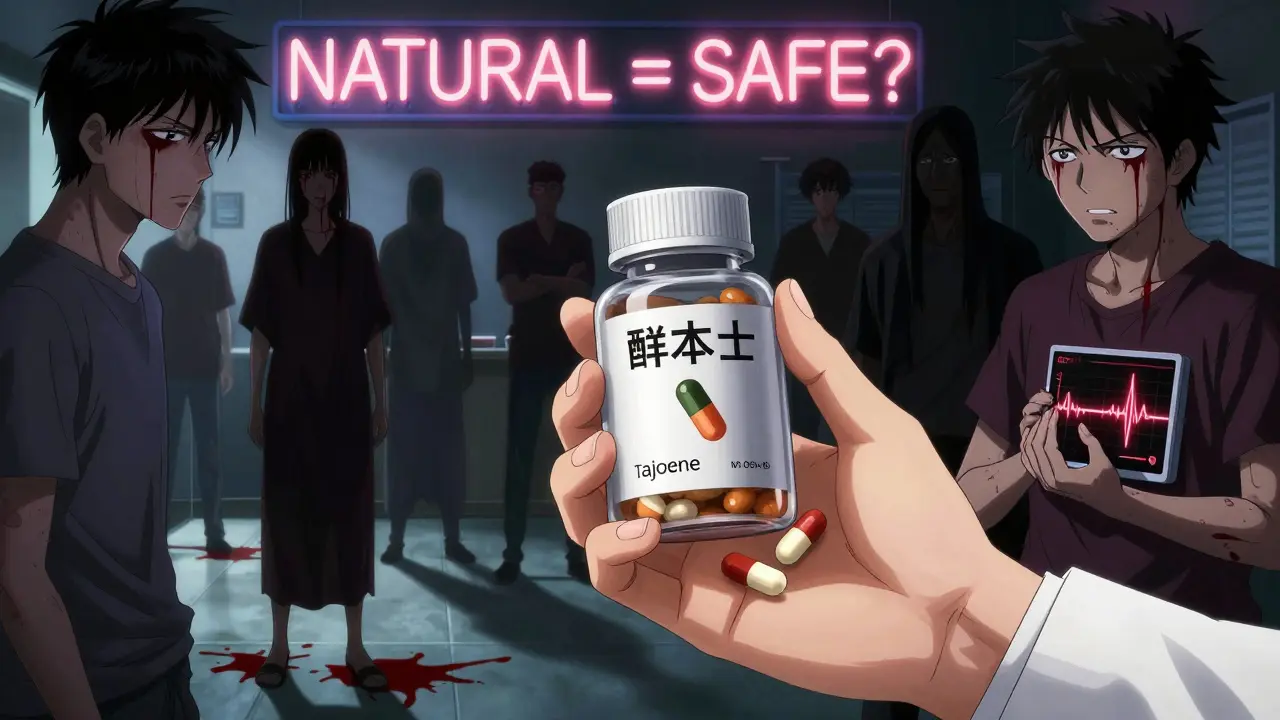
What Should You Do?
If you’re on a blood thinner and taking garlic supplements, here’s what to do:- Stop taking garlic supplements at least 7 days before any planned surgery or dental procedure.
- Talk to your doctor about your supplement use-even if you think it’s harmless. Many patients don’t mention supplements because they assume they’re “natural” and therefore safe.
- Get your INR checked within 72 hours of starting or stopping garlic if you’re on warfarin. Dose changes are often needed.
- Don’t replace your meds with garlic. Harvard Medical School’s Dr. Pieter Cohen says there’s no evidence garlic supplements are better for your heart than eating garlic in food. If you want heart benefits, focus on diet, exercise, and proven medications-not unregulated pills.
What About Other Supplements?
Garlic isn’t alone. Several other natural products also thin the blood:- Fish oil (omega-3s)
- Ginkgo biloba
- Ginger
- Turmeric (curcumin)
- Feverfew
- Green tea extract (in high doses)
What’s Being Done About It?
Regulators are catching up. The European Medicines Agency now requires garlic supplements sold in the EU to carry warnings about bleeding risk. The American Society of Anesthesiologists and the American Heart Association both list garlic as a high-risk supplement for patients on blood thinners. Clinical trials are underway to better understand how specific garlic products interact with newer anticoagulants like apixaban. Early results from two ongoing studies (NCT04823711 and NCT05219843) suggest the interaction is real-and possibly stronger than we thought. The bottom line? Garlic supplements aren’t harmless. They’re powerful. And when mixed with blood thinners, they can turn a routine procedure into a life-threatening event.Can I take garlic supplements while on warfarin?
No. Garlic supplements can significantly increase your INR and raise your risk of bleeding. Even small doses can cause unpredictable changes. If you’re on warfarin, avoid garlic supplements entirely. Eating garlic in food is fine, but pills and extracts are not.
How long before surgery should I stop garlic supplements?
Stop garlic supplements at least 7 days before any surgery or invasive procedure. This gives your body time to replace the platelets that have been permanently affected by ajoene. Stopping sooner than 7 days isn’t enough, and stopping less than 3 days before increases bleeding risk dramatically.
Are all garlic supplements the same?
No. Oil macerates and aged garlic extracts contain the highest levels of ajoene and are the most dangerous. Many supplements don’t even list how much ajoene they contain. A 2024 lab test found that 68% of garlic products failed to disclose this key ingredient. Don’t assume ‘natural’ means safe.
What are the signs of too much bleeding from garlic and blood thinners?
Watch for unusual bruising, nosebleeds that won’t stop, blood in urine or stool, prolonged bleeding from cuts, or headaches that feel worse than normal. If you’re on a blood thinner and notice any of these, stop the supplement and contact your doctor immediately.
Can I take garlic supplements after surgery?
Wait until your doctor says it’s safe. After surgery, especially if you had bleeding complications, you may need to wait weeks before restarting supplements. Never restart without checking with your care team-even if you feel fine.
Do garlic supplements help with heart health?
There’s no solid evidence that garlic supplements improve heart health more than eating fresh garlic. In fact, Harvard Medical School says there’s no proof they’re better than diet alone. If you want heart benefits, focus on vegetables, exercise, and proven medications-not unregulated pills.


Arlene Mathison
January 19, 2026 AT 00:08Yo, I’ve been taking garlic pills for my ‘immune boost’ since 2020 and now I’m paranoid AF. 😅 My knee replacement is in 3 weeks-gotta stop ASAP. Thanks for the wake-up call.
clifford hoang
January 20, 2026 AT 07:53Of course the FDA doesn’t warn you. They’re in bed with Big Pharma. 🤫 Garlic’s been used for 5,000 years-why’s it suddenly dangerous? They want you dependent on pills that cost $500 a month. Ajoene? Sounds like a lab-made chemical name to cover up the truth. 🧄💀
Emily Leigh
January 20, 2026 AT 09:19Okay but… like… why does this even matter? I take garlic supplements and I’m fine. My INR’s normal. My nose doesn’t bleed. Maybe you’re just scared of everything? 🤷♀️
Carolyn Rose Meszaros
January 21, 2026 AT 04:35Thank you for writing this. I’m on apixaban and took garlic for ‘heart health’ for 2 years without knowing. 😳 I stopped yesterday. So glad I read this before my colonoscopy next week. You saved me from a nightmare.
Paul Barnes
January 21, 2026 AT 09:51There is a grammatical error in the third paragraph: ‘They had no history of bleeding disorders. Their lab tests looked normal. But both had been taking garlic supplements daily for months.’ The conjunction ‘But’ should be preceded by a semicolon or made into two sentences. Minor, but it undermines credibility.
pragya mishra
January 22, 2026 AT 16:43Are you serious? Garlic is a superfood. You people are scared of everything. I take 3 pills a day and I’ve never had a problem. Your doctors are just trying to sell you more drugs. Stop listening to fear-mongers.
Thomas Varner
January 22, 2026 AT 22:06Wait… so if I eat 20 cloves of garlic a day, that’s the same as the supplement? But if I take a pill? Suddenly it’s dangerous? 🤔 So… the problem isn’t garlic-it’s the *labeling*? The industry’s just hiding the dose? That’s wild.
Art Gar
January 23, 2026 AT 16:46It is an unfortunate reality that the proliferation of unregulated dietary supplements has led to an increase in iatrogenic hemorrhagic events. The pharmacological activity of ajoene, while documented in peer-reviewed literature, remains underappreciated by the lay public. This represents a systemic failure in public health education.
Crystal August
January 23, 2026 AT 16:53Everyone’s acting like this is news. I’ve been telling people for years: supplements aren’t ‘natural’-they’re concentrated chemicals with zero oversight. And yet, people still swallow them like candy. 😒
Shane McGriff
January 24, 2026 AT 16:56Hey, if you’re on blood thinners and you’re taking garlic pills, I get it-you’re trying to be healthy. But this isn’t about willpower. It’s about science. Please, for your own safety, talk to your pharmacist or doctor before you take *anything*. Seriously. One phone call could save your life.
Manoj Kumar Billigunta
January 24, 2026 AT 21:52I live in India. We use garlic every day in food. But supplements? Never heard of them. This is a rich country problem. In my village, we don’t need pills. We just eat. Simple. Safe.
Andy Thompson
January 25, 2026 AT 06:52They’re scared of garlic because it’s cheap. They want you buying pills from Pfizer. This is all a scam. The government hates natural remedies. Wake up, sheeple. 🇺🇸🔥
sagar sanadi
January 25, 2026 AT 15:01Garlic thin blood? LOL. So is water. Is that dangerous too? Next they’ll ban oxygen. 😂
kumar kc
January 27, 2026 AT 02:10Stop supplements. Eat garlic. Done.