
Safe Medication Storage: How to Keep Your Pills Safe, Effective, and Out of Harm's Way
When you think about safe medication storage, the practice of keeping prescription and over-the-counter drugs in secure, stable, and child-resistant environments to prevent misuse, accidental ingestion, or loss of potency. Also known as drug safety storage, it's not just about locking up pills—it's about protecting lives. Every year, thousands of children end up in emergency rooms because they found pills in an open cabinet. Seniors mix up meds because bottles are scattered across counters. Even pets get sick from chewing through unsecured bottles. This isn’t rare—it’s predictable. And it’s preventable.
medication errors, mistakes in prescribing, dispensing, or taking drugs that lead to harm often start with poor storage. A pill left on the nightstand can be mistaken for a vitamin. A bottle in the bathroom gets ruined by steam and heat, making it less effective—or even dangerous. childproof storage, using locked cabinets, high shelves, or locking pill boxes to keep medications away from curious kids and pets isn’t just for families with toddlers. Grandparents with dementia need it too. So do teens who might experiment. And if you’re sharing meds with a partner or relative? That’s a risk too. The FDA says 1 in 5 Americans have taken someone else’s prescription, often because it was easy to find.
Temperature and moisture are silent killers of drug potency. Storing insulin in a hot car, keeping antibiotics in a humid bathroom, or leaving painkillers on a windowsill? You’re not saving money—you’re wasting them. Most meds last longer when kept cool, dry, and dark. The medicine cabinet? Often the worst place. A drawer in the bedroom, a locked box in the closet, or a dedicated shelf away from heat sources? That’s the sweet spot. And don’t forget expiration dates. A 2-year-old bottle of amoxicillin won’t kill you—but it won’t help either. Throw it out. Use a drug take-back program if you can.
Safe medication storage isn’t complicated. It’s simple: lock it, label it, separate it, and dispose of it right. You don’t need fancy gadgets. You just need to be intentional. The posts below show you exactly how to do it—whether you’re managing a full medicine cabinet, helping an aging parent, or just trying to keep your kids safe. You’ll find real stories about near-misses, expert tips on locking systems, how to spot fake pills hiding in old bottles, and what to do when a child swallows something they shouldn’t. This isn’t theory. It’s survival.
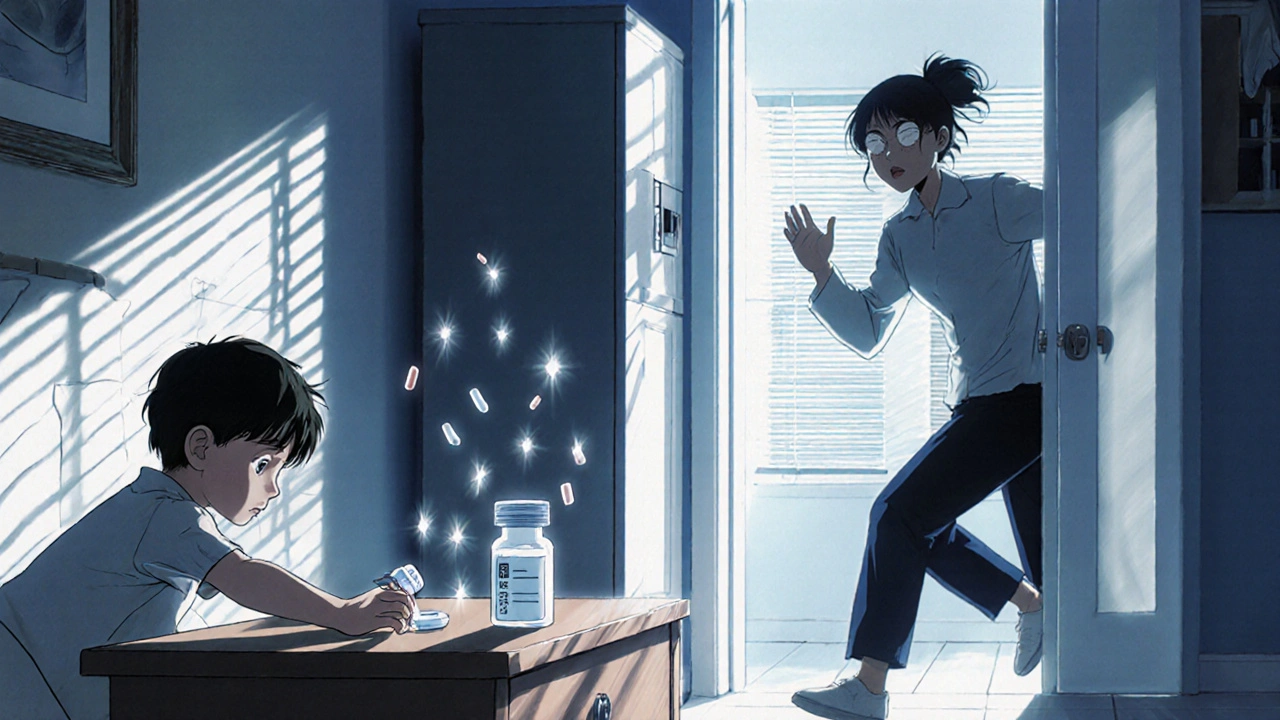
How to Childproof Your Home for Medication Safety: Essential Steps to Prevent Accidental Poisoning
Medicines are the leading cause of child poisoning. Learn how to store, use, and dispose of medications safely to prevent accidental ingestion by toddlers and young children.