
Radiation Side Effects: What Happens to Your Body and How to Manage Them
When you undergo radiation therapy, a targeted cancer treatment that uses high-energy beams to destroy tumor cells. Also known as radiotherapy, it’s one of the most common tools in cancer care—but it doesn’t just target cancer. Healthy tissue nearby can get damaged too, and that’s where radiation side effects, the unwanted physical reactions caused by radiation exposure during treatment come in.
These side effects aren’t the same for everyone. They depend on where the radiation hits, how much you get, and even your age and overall health. Skin redness, fatigue, and nausea are common, especially when treating the chest, stomach, or head. But if radiation targets your pelvis, you might face bowel changes or bladder irritation. Dry mouth and swallowing trouble happen often with head and neck treatments. These aren’t just inconveniences—they can affect your ability to eat, sleep, or even move normally. And while some side effects fade after treatment ends, others like tissue scarring or long-term fatigue can stick around for months or years. That’s why knowing what’s normal and what’s warning signs matters.
It’s not just about the treatment zone. radiation sickness, a rare but serious condition caused by very high doses of radiation, often from accidents or nuclear events, is different from the controlled side effects of cancer therapy. Most people on radiation therapy won’t experience this—but they can still face delayed effects like secondary cancers or heart issues years later, especially if the chest was treated. That’s why follow-up care isn’t optional. Tracking symptoms, keeping a journal, and talking to your care team about changes—even small ones—can make a big difference in how you recover.
You’re not alone in this. Many patients report feeling tired even after their last session. Others notice their skin peeling or becoming sensitive. Some lose their appetite or struggle with memory fog. These aren’t signs you’re doing something wrong—they’re signs your body is healing. The good news? There are proven ways to ease these symptoms. Moisturizers for skin, gentle movement for fatigue, anti-nausea meds when needed, and hydration strategies all help. And while you can’t always prevent side effects, you can control how you respond to them.
The posts below give you real, practical advice from people who’ve been through it. You’ll find tips on managing skin reactions, what foods help when swallowing hurts, how to talk to your doctor about lingering fatigue, and what to do if you notice new symptoms months after treatment ends. No fluff. No guesswork. Just clear, actionable info based on actual patient experiences and medical guidelines.
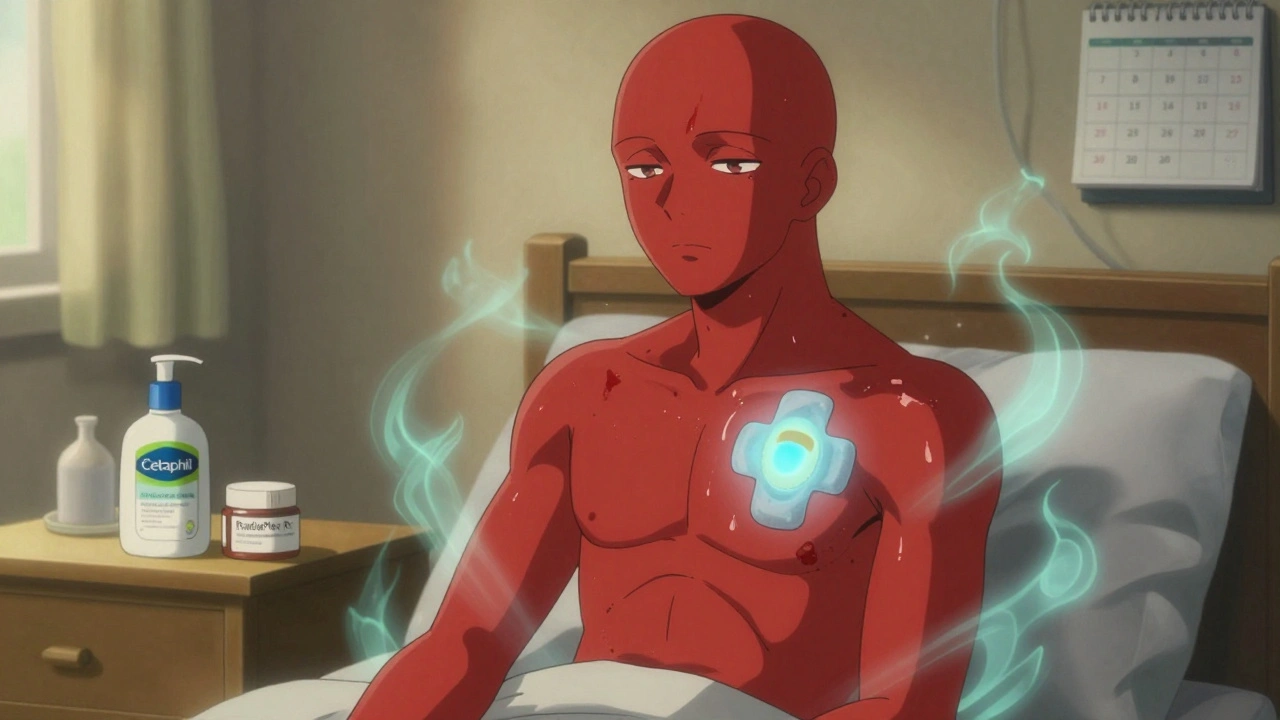
Radiation Side Effects: Skin Care, Fatigue, and Recovery Tips
Learn how to manage radiation side effects like skin irritation and fatigue during cancer treatment. Get practical tips on skincare, exercise, recovery timelines, and proven products backed by clinical research.