
Radiation Dermatitis: Causes, Care, and What You Can Do
When you’re going through radiation dermatitis, a painful skin reaction caused by radiation therapy used to treat cancer. Also known as radiation-induced skin injury, it’s not just a rash—it’s a breakdown of the skin’s protective barrier that can turn daily life into a struggle. This isn’t rare. Up to 95% of people getting radiation therapy for breast, head, or neck cancer experience some form of it. The skin becomes red, dry, itchy, and sometimes peels or blisters. It doesn’t happen overnight, but it gets worse over time—especially if you’re getting daily treatments for weeks.
What makes radiation dermatitis different from a sunburn? It’s deeper. Radiation doesn’t just hit the surface—it damages the cells underneath, slowing healing and making the skin more sensitive to friction, sweat, and even soap. That’s why things like tight clothing, hot showers, or even rubbing with a towel can make it worse. The skin loses its ability to hold moisture, and without the right care, it can crack, bleed, or get infected. radiation therapy side effects, a broad category that includes fatigue, nausea, and hair loss. But skin damage is one of the most visible and disruptive. And while doctors focus on killing cancer cells, they don’t always give clear instructions on how to protect the skin. That’s where you need to step in.
Managing this isn’t about fancy creams or miracle cures. It’s about consistency. Use gentle, fragrance-free cleansers. Pat your skin dry—don’t rub. Moisturize often with plain ointments like petroleum jelly or aloe-based gels without alcohol. Avoid direct sunlight on treated areas. Skip deodorants, perfumes, and shaving with razors over the radiation zone. Even something as simple as wearing loose cotton shirts can make a difference. skin care during radiation, a set of daily practices designed to reduce irritation and support healing. It’s not optional—it’s part of your treatment plan. And if your skin starts to weep or hurt badly, don’t wait. Tell your care team. There are prescription creams and dressings that can help, but only if you speak up early.
You’ll find posts here that cover exactly what works—like which moisturizers are safe to use during treatment, how to handle blistering skin without making it worse, and what to avoid at all costs. You’ll also see how others managed pain, itching, and embarrassment during radiation. Some of these stories come from people who’ve been through it themselves. Others are from nurses and pharmacists who’ve seen what helps—and what doesn’t. This isn’t theory. It’s what real people have used to get through treatment with less suffering.
There’s no one-size-fits-all fix for radiation dermatitis. But there are clear steps you can take to reduce the damage and keep your skin as healthy as possible. The goal isn’t to prevent it completely—most people will get some level of it. The goal is to control it so it doesn’t control you. What follows are real, practical tools and experiences you can use right now to make your treatment easier. No fluff. No marketing. Just what works.
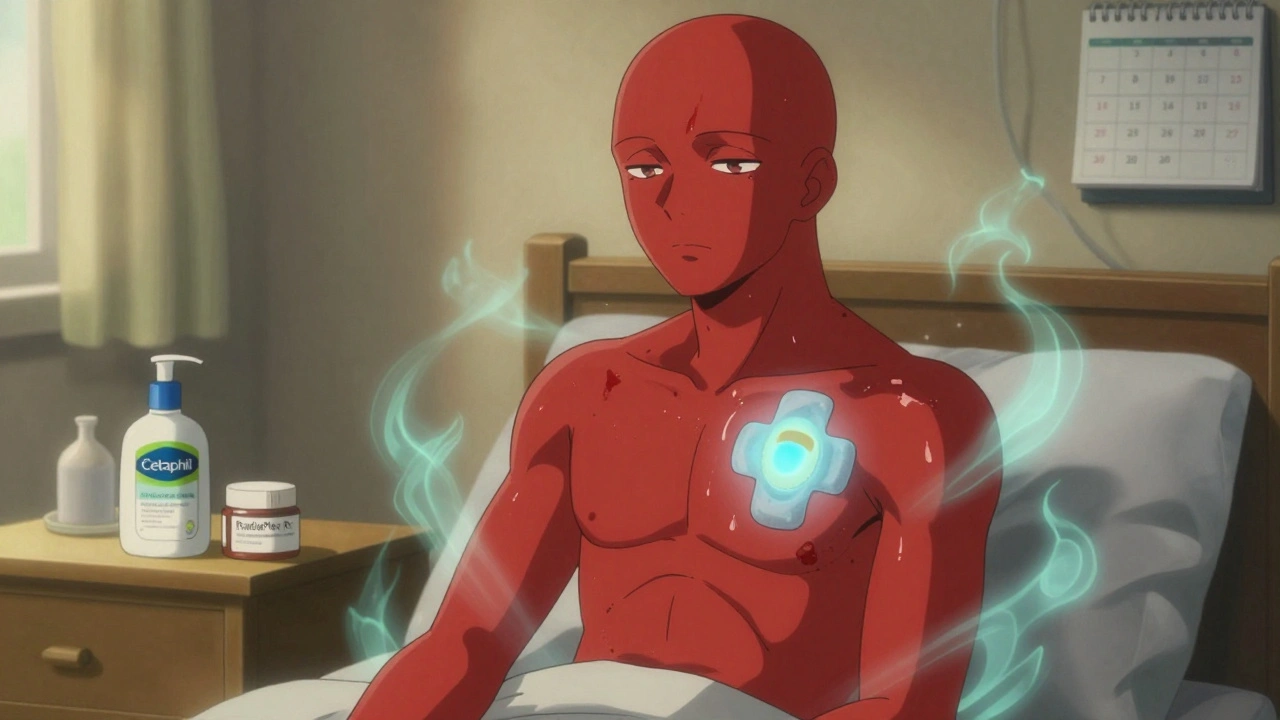
Radiation Side Effects: Skin Care, Fatigue, and Recovery Tips
Learn how to manage radiation side effects like skin irritation and fatigue during cancer treatment. Get practical tips on skincare, exercise, recovery timelines, and proven products backed by clinical research.