
Prevent Child Poisoning: Essential Tips to Keep Kids Safe from Medications and Household Hazards
When you think about child poisoning, the unintentional ingestion of harmful substances by children under six. Also known as pediatric poisoning, it's one of the most common medical emergencies in young kids—and almost always preventable. Every year, over 500,000 children in the U.S. alone end up in emergency rooms because they got into something they shouldn’t have. It’s not just medicine. It’s cleaning products, vitamins, cosmetics, even plants. The real danger? It happens fast, quietly, and often in places you think are safe—like the bathroom counter or a purse left on the couch.
Most cases happen because of medication storage, how drugs are kept within reach of curious hands. A pill bottle left open on the nightstand, a liquid cough syrup on the kitchen counter, or a patch stuck to the inside of a jacket pocket—these aren’t accidents waiting to happen. They’re preventable risks. The CDC says over half of child poisonings involve prescription or over-the-counter drugs. And it’s not just about keeping things locked up. It’s about knowing which meds are most dangerous. Opioids, sedatives, heart pills, and even high-dose iron supplements can be deadly in tiny amounts. Kids don’t need much to get sick—sometimes just one or two pills.
But medicine isn’t the only threat. household toxins, common items like bleach, antifreeze, or button batteries. A single button battery can burn through a child’s esophagus in two hours. Dishwasher pods look like candy. Lotion bottles smell sweet. And many parents don’t realize that even non-toxic-looking items can cause serious harm if swallowed in large amounts. The key isn’t fear—it’s awareness. Keep everything out of sight and out of reach. Use child-resistant caps, even if you’re in a hurry. Never transfer medicine into unmarked containers. And never tell a child medicine is candy. That’s a lesson that can cost a life.
You also need to know what to do if something goes wrong. Don’t wait for symptoms. Don’t try to make your child vomit. Call poison control immediately—911 if they’re unconscious, having trouble breathing, or seizing. The number for Poison Control in the U.S. is 1-800-222-1222. Save it in your phone. Put it on the fridge. Tell your babysitter. Every second counts.
What you’ll find below are real, practical guides based on actual cases and medical advice. From how to childproof your medicine cabinet to spotting early signs of overdose, from what to do when a toddler swallows a cleaning product to why some vitamins are more dangerous than others—these posts give you the facts you need to act fast and stay calm. No fluff. No guesswork. Just clear steps to protect the ones you love.
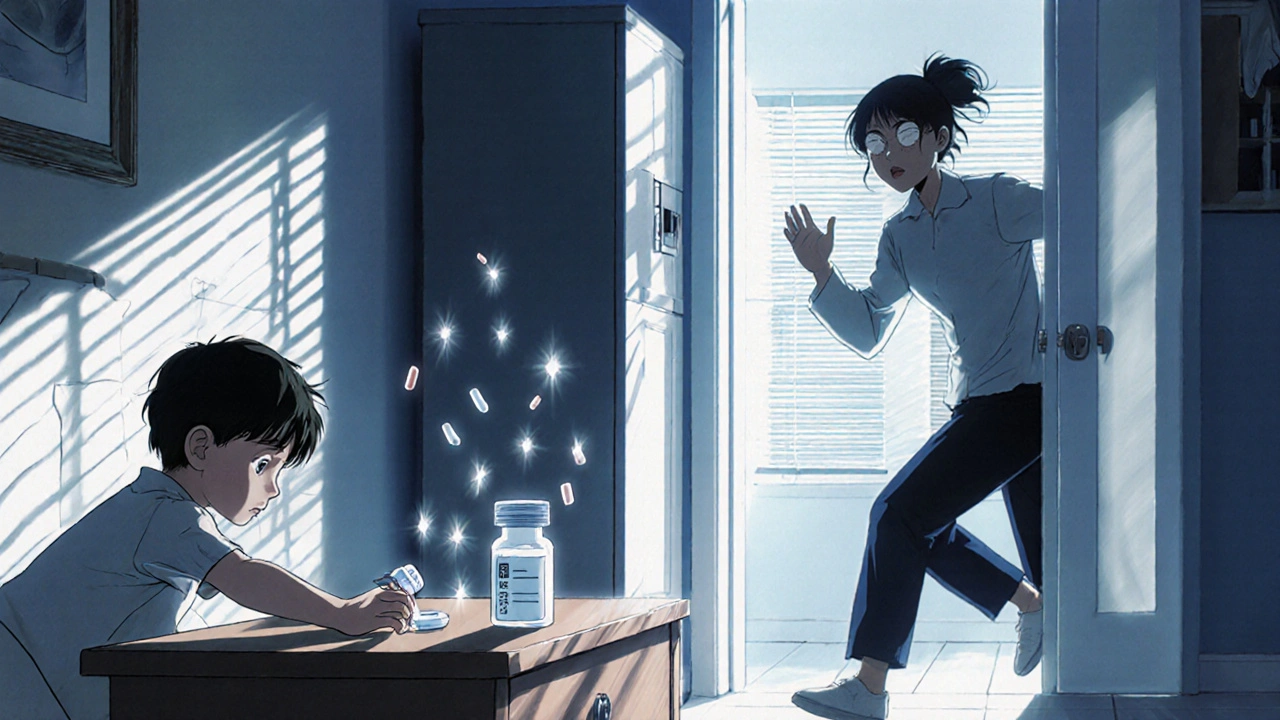
How to Childproof Your Home for Medication Safety: Essential Steps to Prevent Accidental Poisoning
Medicines are the leading cause of child poisoning. Learn how to store, use, and dispose of medications safely to prevent accidental ingestion by toddlers and young children.