
Pill Tracker: Stay on Top of Your Medications with Smart Tracking Tools
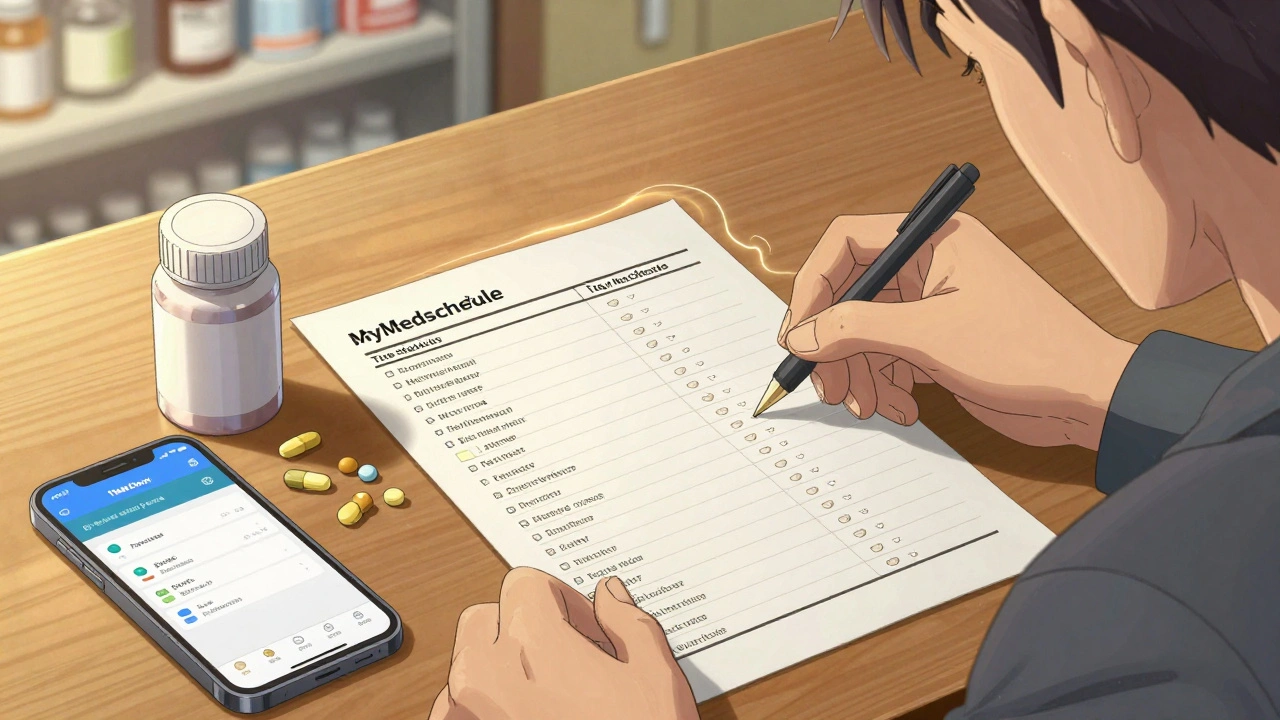
When you’re juggling multiple prescriptions, a pill tracker, a system or tool used to monitor when and how medications are taken to improve adherence and safety. Also known as medication log, it’s not just a reminder app—it’s a lifeline for people managing chronic conditions, post-surgery care, or complex drug regimens. Missing a dose, doubling up, or mixing drugs accidentally can lead to serious harm. A good pill tracker cuts through the noise and turns confusion into clarity.
It’s not just about remembering to take your pills. It’s about understanding medication adherence, the degree to which a patient follows prescribed treatment plans—and why it matters. Studies show that nearly half of people with long-term conditions don’t take their meds as directed. That’s not laziness—it’s often forgetfulness, side effects, or just too many pills at once. A pill tracker helps by syncing with your daily rhythm, not forcing you to fit your life around a rigid schedule. It also connects to drug schedule, the timing and dosage plan for each medication as prescribed by a healthcare provider, so you know exactly when to take your blood pressure pill versus your thyroid med. And if you’re on something like clopidogrel or oxcarbazepine, where timing affects how well it works, a tracker isn’t optional—it’s essential.
Modern pill trackers go beyond simple alarms. Some sync with your pharmacy, alerting you when refills are due. Others let you log side effects, share reports with your doctor, or even notify a family member if you miss a dose. They help prevent medication errors, mistakes in prescribing, dispensing, or taking drugs that can lead to harm—the kind that happen after hospital discharge or when switching generics. You’ll find real examples in the posts below: how people used tracking to avoid dangerous interactions between PPIs and clopidogrel, how caregivers used visual schedules to childproof meds, and how genetic differences in drug metabolism made tracking even more critical.
Whether you’re managing autoimmune hepatitis, radiation side effects, or just trying to stay on top of daily vitamins, the right pill tracker turns chaos into control. You’ll see tools that work for seniors, busy parents, and people on complex regimens. No fluff. No apps that crash. Just real solutions people actually use. Below, you’ll find detailed guides on how to set one up, what features to look for, and how to avoid common mistakes that make tracking fail.
Creating Your Personal Medication List: What to Include for Safety
A personal medication list is a simple but powerful tool to prevent dangerous drug interactions, reduce errors, and ensure safety during medical emergencies. Know exactly what to include and how to keep it updated.