
Opioid and Alcohol Risks: Overdose, Interactions, and Safe Use
When you combine opioid and alcohol, a dangerous pairing that depresses the central nervous system and can stop breathing. Also known as narcotic-alcohol interaction, this mix is one of the most common causes of accidental overdose deaths. It doesn’t matter if the opioid is prescription painkillers like oxycodone, hydrocodone, or even heroin—alcohol doesn’t make it safer. It makes it deadlier.
Every year, thousands of people end up in emergency rooms because they didn’t realize how quickly alcohol and opioids can team up to shut down their breathing. The opioid overdose, a life-threatening condition where breathing slows or stops completely. Also known as respiratory depression, it’s the main reason naloxone exists becomes far more likely when alcohol is in the system. Even a single drink can double the risk. And if you’re taking opioids for chronic pain, you might think you’re used to them—but alcohol changes how your body handles them. Your tolerance doesn’t protect you here.
It’s not just about the pills. Many people don’t realize that even over-the-counter cough syrups, sleep aids, or muscle relaxers can contain opioids or act like them. Add alcohol, and you’re playing Russian roulette with your brainstem. The drug interactions, when two or more substances change each other’s effects in harmful ways. Also known as pharmacological synergy, this is why hospitals warn patients to avoid alcohol after surgery aren’t always listed on labels. Pharmacists catch these risks—but you need to know to ask.
If you or someone you know is using opioids, whether for pain or other reasons, never drink alcohol while doing it. Not even a glass of wine. Not even one beer. The science is clear: there’s no safe level of mixing them. And if you’re worried about withdrawal, don’t quit cold turkey without medical help—alcohol withdrawal alone can be deadly, and combining it with opioid withdrawal creates a medical emergency.
What you’ll find below are real, practical guides from people who’ve been there. Posts on how to spot overdose signs before it’s too late, how to safely manage medications after hospital stays, why generic drugs aren’t riskier, and how to protect your family from accidental poisoning. These aren’t theoretical warnings. They’re survival tips written by doctors, pharmacists, and people who’ve lost loved ones—and survived themselves.
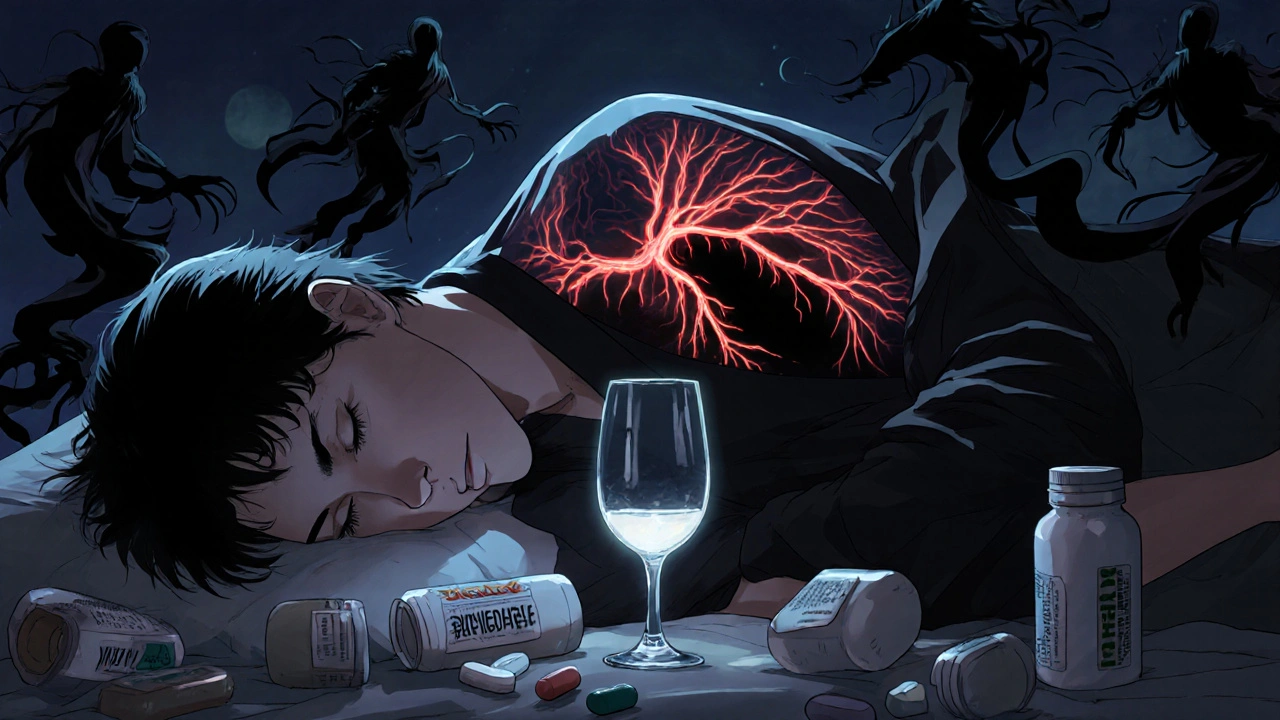
Red Flag Drug Combinations to Avoid for Safer Treatment
Certain drug combinations can be deadly-even when taken as prescribed. Learn the most dangerous mixes like opioids with alcohol or benzodiazepines, how they kill, and how to stay safe.