
Medicine Safety for Kids: What Parents Need to Know About Dosage, Interactions, and Hidden Risks
When it comes to medicine safety for kids, the practice of giving medications to children in ways that minimize harm while maximizing benefit. Also known as pediatric pharmacology, it’s not just about shrinking adult doses—it’s about understanding how a child’s body processes drugs differently from birth through adolescence. Kids aren’t small adults. Their liver and kidneys are still developing, their weight changes fast, and their brains react uniquely to certain chemicals. A dose that’s safe for a 12-year-old could be dangerous for a 2-year-old, even if they weigh the same.
One of the biggest risks isn’t the medicine itself—it’s medication errors in kids, mistakes in dosing, timing, or drug selection that happen because of confusion, poor labeling, or lack of clear communication. A parent might grab the wrong bottle because the labels look similar. A caregiver might use a kitchen spoon instead of the dosing cup that came with the medicine. Or worse—someone might give a child a drug meant for an adult because it’s "just a little stronger." These aren’t rare accidents. Studies show that over 70% of pediatric medication errors happen at home, not in hospitals.
pediatric drug interactions, when two or more medicines react in a child’s body in unexpected and harmful ways are another silent threat. Common OTC cold syrups, allergy pills, or even herbal supplements can clash with prescription meds like antibiotics or seizure drugs. For example, giving a child an antihistamine with a cough suppressant can slow their breathing dangerously. Or mixing ibuprofen with certain antibiotics can stress the kidneys. These interactions don’t always show up on warning labels—especially if the drugs were bought separately or from different pharmacies.
And then there’s the issue of child-safe medicines, formulations designed specifically for children’s physiology, with accurate concentrations and safe inactive ingredients. Not all liquid meds are created equal. Some use alcohol, artificial colors, or sugar as fillers. Others are made for adults and then diluted—leading to inconsistent dosing. Even the flavoring matters. A sweetened syrup might make a child want more than the prescribed amount. And if a child accidentally swallows a whole bottle of chewable vitamins or ADHD meds, the result can be an emergency room visit—or worse.
What you’ll find below isn’t a list of general tips. It’s a collection of real, evidence-backed stories and warnings from parents, pharmacists, and doctors who’ve seen what happens when safety gets overlooked. You’ll learn how to spot dangerous combinations before they happen, how to read labels like a pro, and why the "just one more drop" mentality can be deadly. You’ll also find out why some meds that work fine for adults are banned for kids under 6, and what to do if your child has an unexpected reaction.
This isn’t about scare tactics. It’s about giving you the tools to ask the right questions, double-check what’s being given, and protect your child from risks most people never even think about. Because when it comes to medicine safety for kids, the smallest mistake can have the biggest consequence—and you don’t need to be a doctor to prevent it.
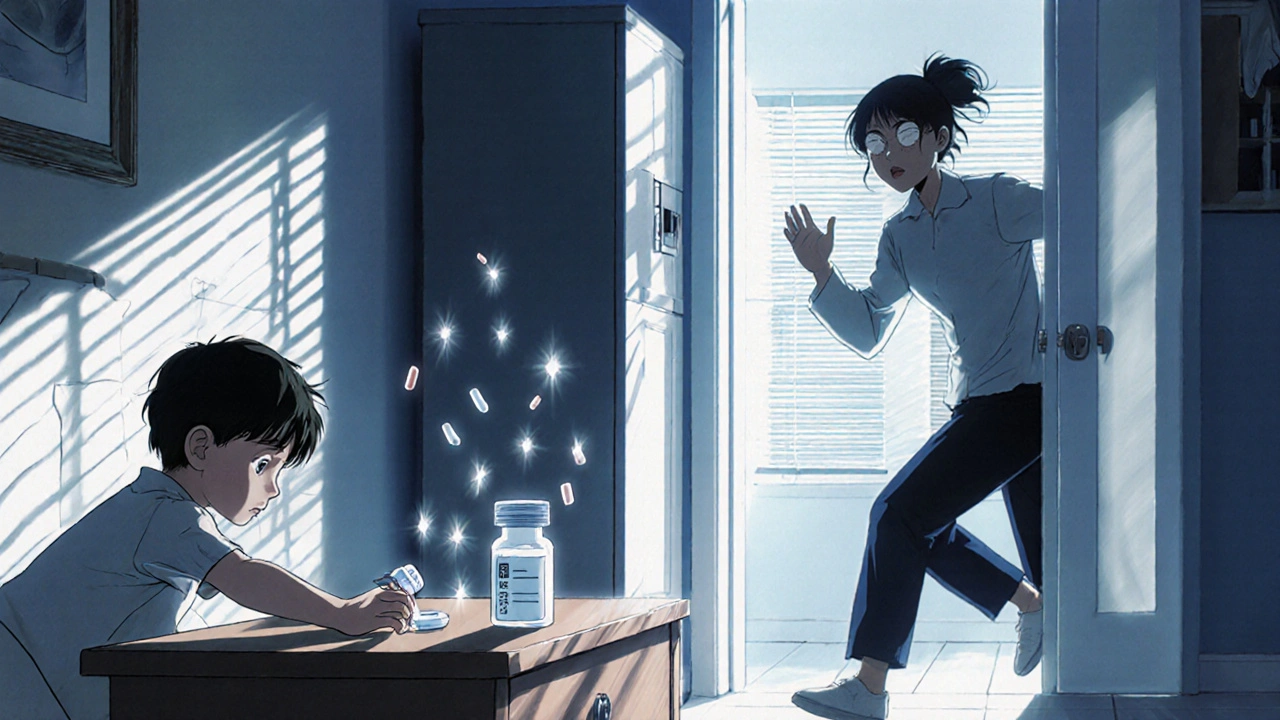
How to Childproof Your Home for Medication Safety: Essential Steps to Prevent Accidental Poisoning
Medicines are the leading cause of child poisoning. Learn how to store, use, and dispose of medications safely to prevent accidental ingestion by toddlers and young children.