
Medication List: Essential Drugs, Interactions, and Safety Tips
When you hear medication list, a personalized record of all drugs a person is taking, including prescriptions, over-the-counter meds, and supplements. Also known as drug regimen, it's not just a note in your phone—it’s your lifeline for avoiding deadly mistakes. Too many people forget to update theirs after a hospital visit or when a doctor changes a dose. That’s how dangerous mix-ups happen—like taking omeprazole with clopidogrel and suddenly raising your risk of a heart attack.
Your medication list, a personalized record of all drugs a person is taking, including prescriptions, over-the-counter meds, and supplements. Also known as drug regimen, it's not just a note in your phone—it’s your lifeline for avoiding deadly mistakes. Too many people forget to update theirs after a hospital visit or when a doctor changes a dose. That’s how dangerous mix-ups happen—like taking omeprazole with clopidogrel and suddenly raising your risk of a heart attack.
Your generic drugs, pharmaceutically identical versions of brand-name medications approved by the FDA. Also known as generic medications, they work the same, cost up to 85% less, and make up most prescriptions today. But not all online sellers are honest. Some sell fake pills disguised as cheap bupropion or sildenafil. Knowing how to spot real vs. fake meds keeps you safe. And if you’re a woman, you should know: your body processes these drugs differently than men’s. That’s why you’re more likely to have side effects—even when taking the same dose.
pharmacogenomics, the study of how your genes affect how you respond to medications. Also known as personalized medicine, it explains why one person tolerates a drug perfectly while another gets sick from the same pill. Your CYP2D6 or CYP2C19 genes control how fast your liver breaks down drugs like clopidogrel, oxcarbazepine, or clozapine. If you’ve ever been told your meds "just don’t work" or caused weird side effects, your DNA might be the reason. Testing isn’t routine yet—but it’s getting closer.
And then there’s medication safety, the practice of preventing errors and harm from drug use. Also known as drug safety, it covers everything from childproofing your medicine cabinet to recognizing the first signs of anaphylaxis or liver damage from clozapine. A single missed dose check after hospital discharge can lead to deadly interactions. A wrong label on a generic pill can cause an overdose. A counterfeit drug ordered from overseas might not even contain the active ingredient. This isn’t fear-mongering—it’s fact. The FDA and WHO track thousands of cases every year.
What you’ll find below isn’t a random list of articles. It’s a practical toolkit built from real cases: how to reconcile meds after leaving the hospital, why certain drug combos can kill you even when taken as directed, how to tell if your generic is legit, and how to protect kids from accidental poisonings. You’ll learn which PPIs are safe with clopidogrel, how biosimilars are changing costs, and why your pharmacist’s advice matters more than ever. This is the stuff no one tells you until it’s too late. But now you know where to look.
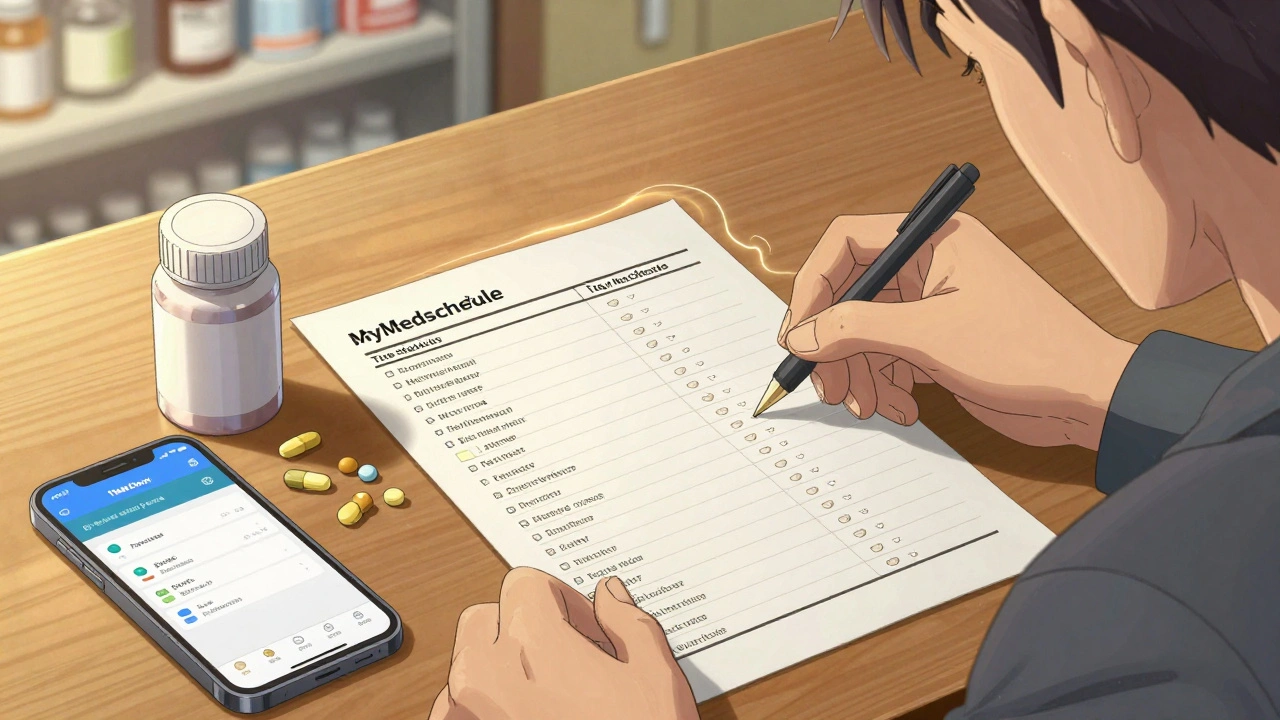
Creating Your Personal Medication List: What to Include for Safety
A personal medication list is a simple but powerful tool to prevent dangerous drug interactions, reduce errors, and ensure safety during medical emergencies. Know exactly what to include and how to keep it updated.