
Drug Overdose Risks: Signs, Causes, and How to Prevent a Deadly Emergency
When someone takes too much of a drug—whether it’s prescription, illegal, or even an over-the-counter medicine—it can trigger a drug overdose, a life-threatening reaction caused by toxic levels of a substance in the body. Also known as medication overdose, it doesn’t always look like a dramatic scene from a TV show. Sometimes, it’s just someone who’s unusually sleepy, confused, or struggling to breathe. And if you don’t act, it can turn fatal in minutes.
Drug overdose risks don’t just come from street drugs. Many people overdose on painkillers like oxycodone, sleep aids, or even antidepressants because they didn’t realize how the doses added up. Mixing drugs is one of the biggest dangers—like taking a muscle relaxer with alcohol, or combining opioids with benzodiazepines. Even people who’ve been on the same meds for years can slip into overdose if their body changes, their doctor adjusts their dose, or they start a new medication without checking for interactions. Opioid overdose, a specific and deadly form of drug overdose caused by drugs that slow breathing, is especially common and often preventable with quick action. That’s why knowing the signs matters more than ever.
The signs aren’t always obvious. Someone might be unresponsive, their lips or fingernails could turn blue, their breathing might be slow or stop entirely, or they might make gurgling noises like they’re choking. With stimulants like cocaine or meth, it’s the opposite—racing heart, high fever, seizures. And sometimes, the person doesn’t even know they’ve taken too much. Fake pills laced with fentanyl are a growing threat; they look just like regular prescription pills but can kill in one dose. Naloxone, a medication that can reverse opioid overdoses within minutes, is now available without a prescription in many places. Keeping it on hand—especially if someone you know takes opioids—is one of the smartest things you can do.
It’s not just about avoiding illegal drugs. Accidental overdoses happen in homes every day. Kids find pills left on counters. Older adults mix meds because they forget what they’ve taken. People double up on pain relievers thinking more will help. And with online pharmacies selling unregulated drugs, the risk of fake or contaminated pills is higher than ever. The posts below cover exactly these scenarios: how to spot overdose signs early, why certain drug combinations are deadly, how to store meds safely around kids, what to do if someone stops breathing, and how to use naloxone correctly. You’ll also find real advice on avoiding dangerous interactions, recognizing when a medication is too strong for your body, and why some people are more at risk than others—like women, older adults, or those with liver or kidney issues.
If you’ve ever worried about a loved one’s meds, or if you’ve taken a pill and felt something was off, this collection is for you. There’s no shame in asking questions. The goal isn’t to scare you—it’s to give you the facts you need to protect yourself and others. Because when it comes to drug overdose risks, knowing what to look for and what to do next can mean the difference between life and death.
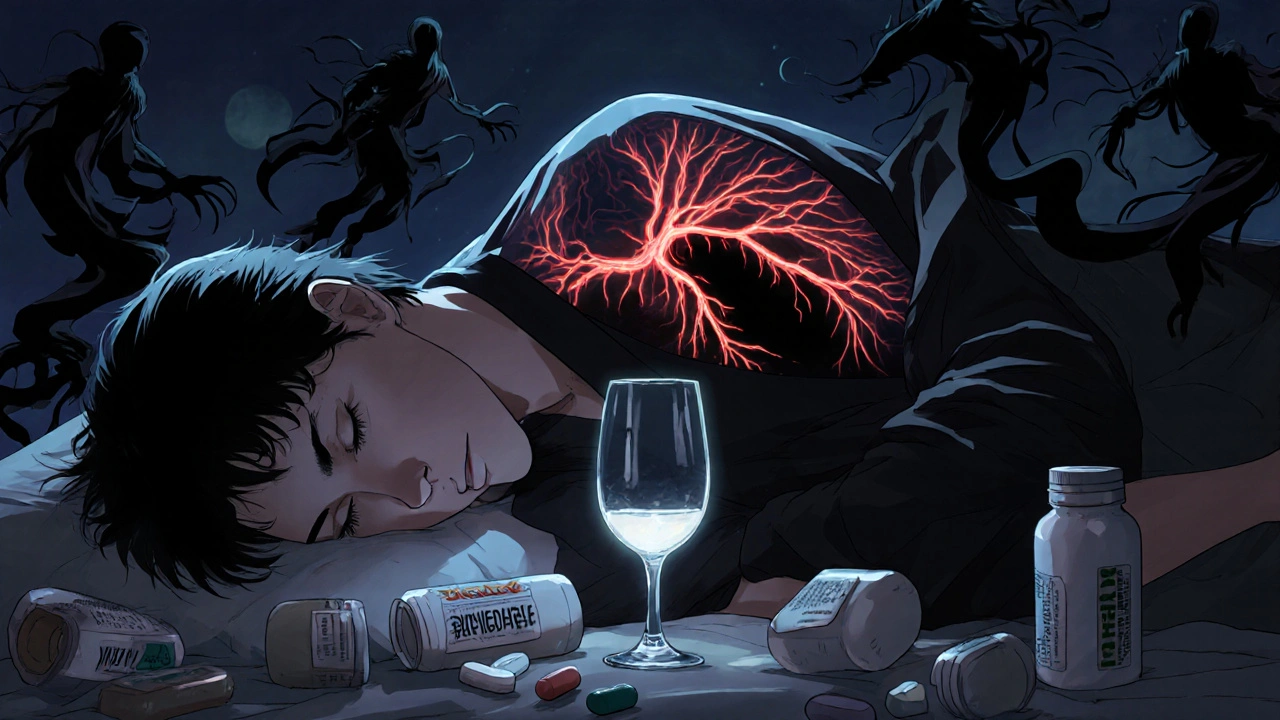
Red Flag Drug Combinations to Avoid for Safer Treatment
Certain drug combinations can be deadly-even when taken as prescribed. Learn the most dangerous mixes like opioids with alcohol or benzodiazepines, how they kill, and how to stay safe.