
Drug Labeling: What You Need to Know About Prescription Info and Safety
When you pick up a prescription, the drug labeling, the printed information on medication packaging that tells you how to use it safely and what to watch for. Also known as prescription label, it's not just a legal requirement—it's your personal safety guide. Most people glance at the name and dosage, then toss the leaflet. But that’s where the risk starts. A single misread instruction, a missed warning, or an overlooked interaction can turn a healing pill into a danger.
Drug labeling doesn’t exist in a vacuum. It connects directly to medication reconciliation, the process of comparing your current meds with what you were taking before hospitalization or a doctor’s visit, which is why so many posts here focus on avoiding errors after discharge. It also ties into drug interactions, when two or more medicines react in harmful ways—like opioids mixing with alcohol, or antihistamines triggering glaucoma in people with narrow eye angles. Even childproof home medication, the way you store pills to keep kids safe depends on clear labeling. If a bottle says "keep out of reach of children," but the label doesn’t say what’s inside or how dangerous it is, you’re guessing—and guessing with medicine can kill.
Think of drug labeling as the bridge between the pharmacist’s expertise and your daily life. It tells you when to take it, what to avoid eating or drinking with it, what side effects to watch for, and when to call your doctor. It also lists active ingredients so you don’t accidentally double-dose—like taking two different cold meds that both contain acetaminophen. The FDA and other global regulators require this info, but not all labels are created equal. Some are cluttered. Others are too vague. And counterfeit drugs? They often have fake or missing labels entirely.
You don’t need a pharmacy degree to read a label, but you do need to know what to look for. Is the dosage clear? Are there black box warnings? Does it say "take with food" or "avoid sunlight"? Is there a list of serious side effects—or just a tiny footnote? The posts below cover exactly these gaps: how to spot dangerous combinations, why women get more side effects, how genetic differences change how your body handles drugs, and what to do when your label doesn’t match your experience. This isn’t about reading small print. It’s about reading between the lines to protect your life.
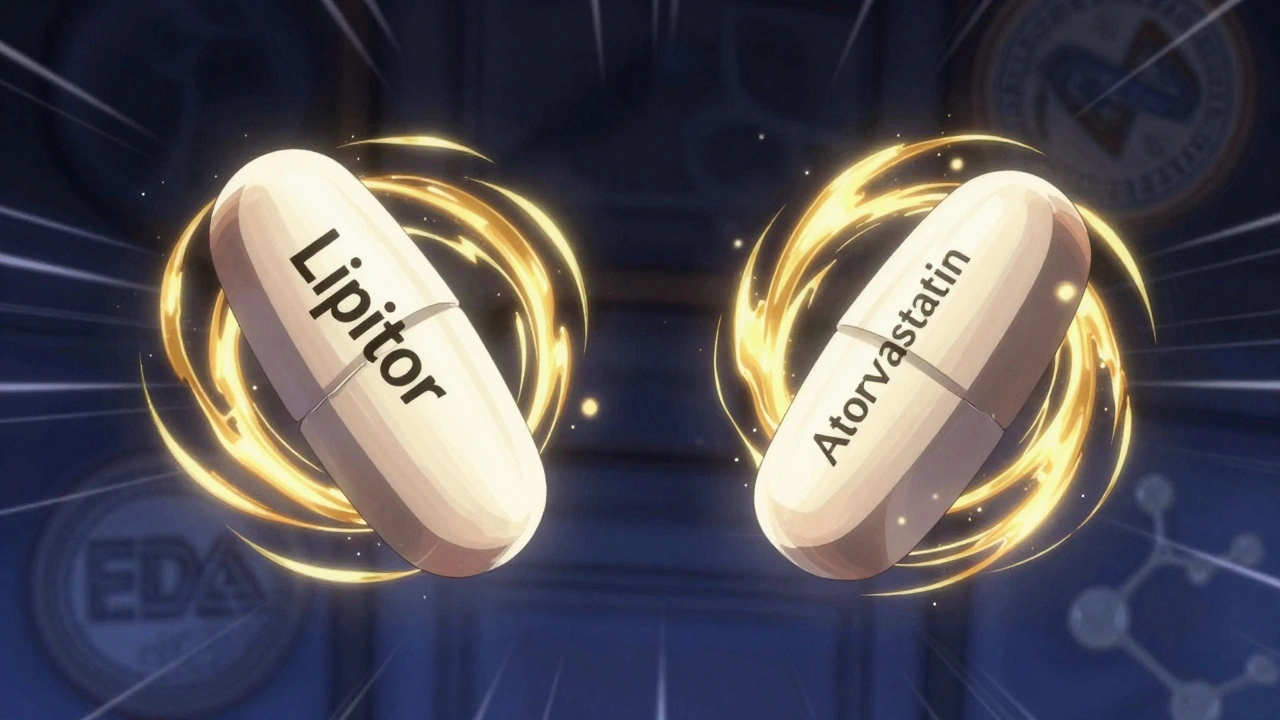
Generic vs Brand Name Drugs: What the Label Really Tells You and Why They Work the Same
Generic drugs are just as safe and effective as brand-name drugs, but cost up to 85% less. Learn what the FDA requires for therapeutic equivalence, why labels and pills look different, and when to be cautious.