
Comparison Shopping Engines: Find the Best Prices for Medications and Health Products
When you're looking to save on prescriptions, comparison shopping engines, online tools that gather and compare prices from multiple sellers. Also known as price comparison sites, they let you see what different pharmacies charge for the same drug—like generic metformin or omeprazole—in seconds. But not all of them are created equal, especially when it comes to medicines. Some show prices from legitimate pharmacies, while others link to shady sites selling fake or expired pills. That’s why knowing how to use them right matters more than ever.
These tools rely on data from online pharmacies, websites that dispense prescription drugs directly to consumers. Also known as e-pharmacies, they range from trusted U.S.-based retailers to international sellers with no regulatory oversight. A good comparison engine will flag which ones are verified by the National Association of Boards of Pharmacy (NABP), but many don’t. That’s why you still need to check for the VIPPS seal or look up the pharmacy’s license yourself. And don’t forget: just because a price looks low doesn’t mean it’s safe. Counterfeit drugs are a growing problem, especially for popular meds like bupropion, Cialis, or insulin. The same engine that shows you a $5 generic version might also lead you to a fake pill that could kill you.
Another key player here is generic drugs, medications that contain the same active ingredients as brand-name versions but cost far less. Also known as non-brand drugs, they’re the reason comparison shopping engines are so useful in the first place. A 30-day supply of generic lisinopril might cost $4 at one site and $22 at another. That’s a huge difference—but only if you’re buying from a real pharmacy. These engines also help you compare prices for health supplements, over-the-counter pain relievers, and even medical devices like glucose monitors. But they don’t tell you about insurance coverage, prior authorizations, or whether a drug is covered under your plan’s tier system. That’s where your pharmacist or insurer’s website still plays a critical role.
Behind the scenes, these tools use algorithms that pull pricing from pharmacy databases, manufacturer catalogs, and even rebate programs. But they can’t always see hidden fees, shipping costs, or mandatory consultations. Some sites list a price for 30 pills, but you need to buy 90 to get that rate. Others show discounts that require signing up for a membership you didn’t know you were agreeing to. And if you’re comparing prices across borders—say, buying from Canada or India—you’re stepping into a legal gray zone where the FDA doesn’t protect you. That’s why the best comparison engines don’t just show you the cheapest option—they help you find the safest one.
What you’ll find below are real stories and practical guides from people who’ve used these tools to cut their medication costs—without getting scammed. You’ll learn how to spot fake pharmacy listings, how to verify if a generic drug is truly equivalent, and why some "deals" are actually dangerous. Whether you’re managing chronic conditions like autoimmune hepatitis or just trying to afford your monthly prescriptions, these posts give you the facts you need to shop smart. No fluff. No hype. Just what works—and what to avoid.
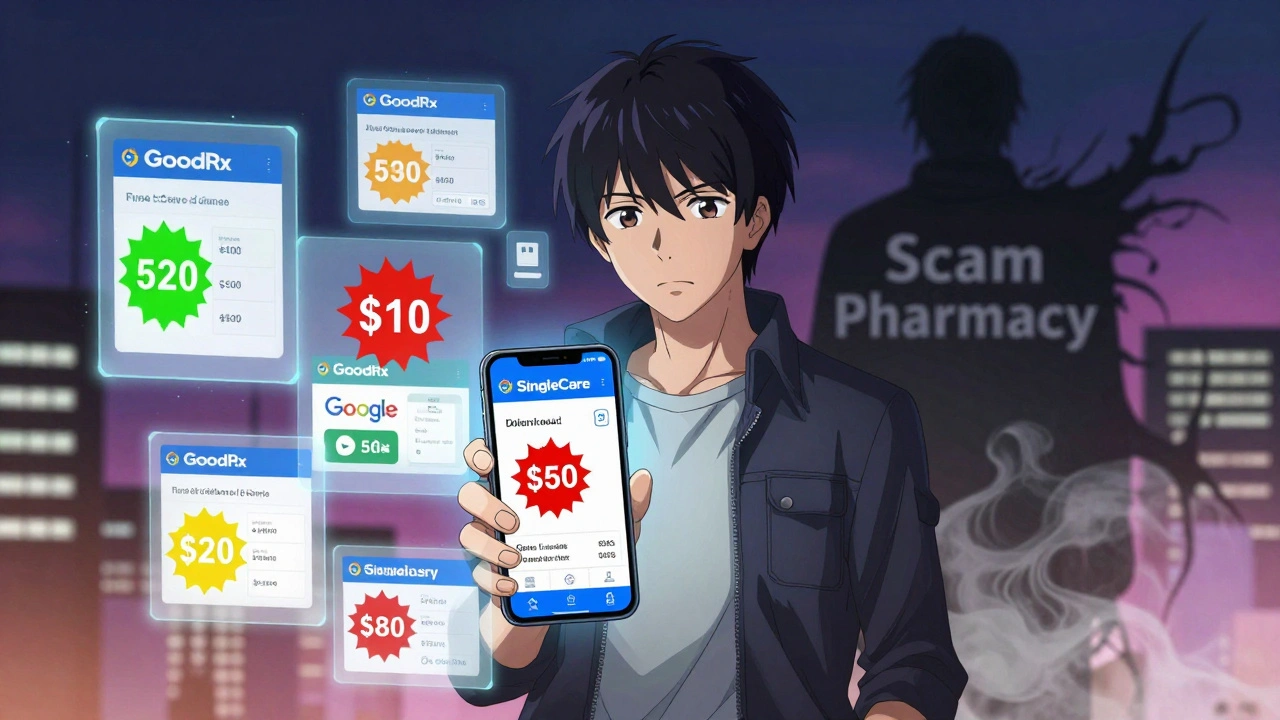
Comparison Shopping Online for Generic Medications: Save Money Without Compromising Safety
Learn how to find the lowest prices on generic medications online using trusted comparison tools, avoid unsafe pharmacies, and save up to 80% on common prescriptions without risking your health.