
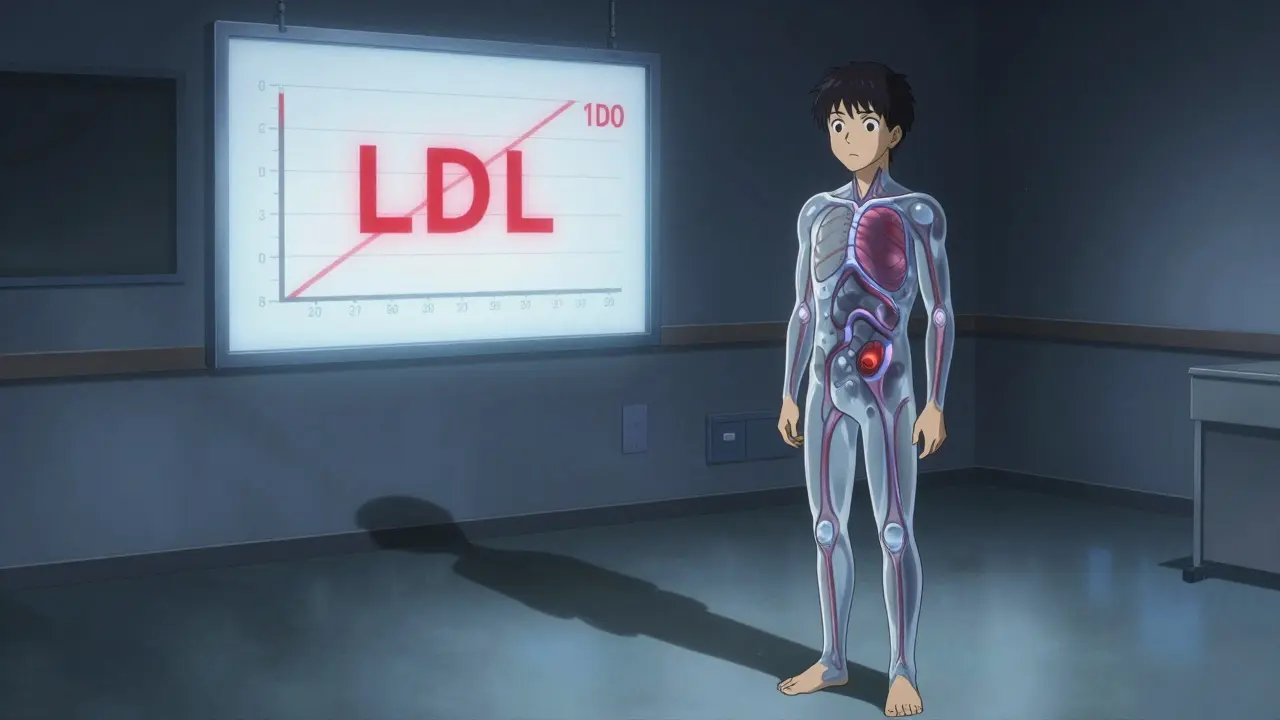
High cholesterol isn't something you feel. No pain, no warning signs, no sudden dizziness. That’s why it’s so dangerous. By the time you notice something’s wrong-chest pain, shortness of breath, a heart attack-it’s often too late. This isn’t a myth. It’s science. According to the World Health Organization, heart disease caused by high cholesterol kills nearly 18 million people every year. And most of them had no idea their numbers were out of control until it was too late.
What Exactly Is Hypercholesterolemia?
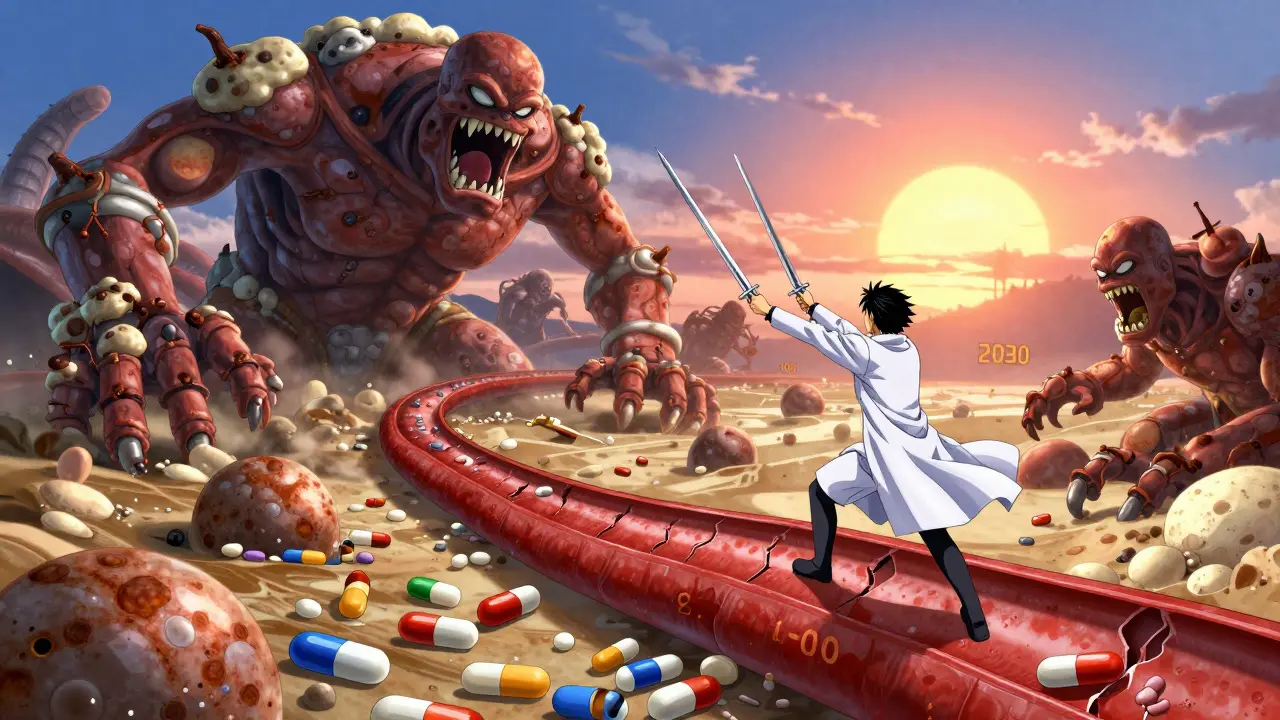
Hypercholesterolemia is just the medical term for having too much cholesterol in your blood. Not all cholesterol is bad. Your body needs it to build cells, make hormones, and digest food. The problem comes when there’s too much of the wrong kind-LDL cholesterol, the kind that sticks to your artery walls and builds up like rust in a pipe. Over time, that buildup narrows your arteries, slows blood flow, and raises your risk of heart attack and stroke.
The numbers matter. The American Heart Association says a total cholesterol level above 200 mg/dL is considered elevated. But the real red flag is LDL. If your LDL is over 190 mg/dL, you’re in the severe range. If it’s between 160 and 189 mg/dL and you have other risk factors-like high blood pressure, smoking, or diabetes-you’re already in danger. And here’s the kicker: many people with these numbers never feel a thing.
Familial Hypercholesterolemia: It’s Not Just About Diet
If you’ve been told your cholesterol is high and you eat well, exercise, and don’t smoke-you’re not alone. About 1 in every 250 people worldwide has a genetic condition called familial hypercholesterolemia (FH). It’s inherited. One faulty gene from a parent is enough to send LDL levels soaring from birth.
People with heterozygous FH (one bad gene) usually have LDL levels between 190 and 400 mg/dL. Those with homozygous FH (two bad genes) can hit 450 mg/dL or higher. That’s not just high. That’s life-threatening. Without treatment, men with FH often have heart attacks before 40. Women before 50. Some kids with homozygous FH have heart events before age 10.
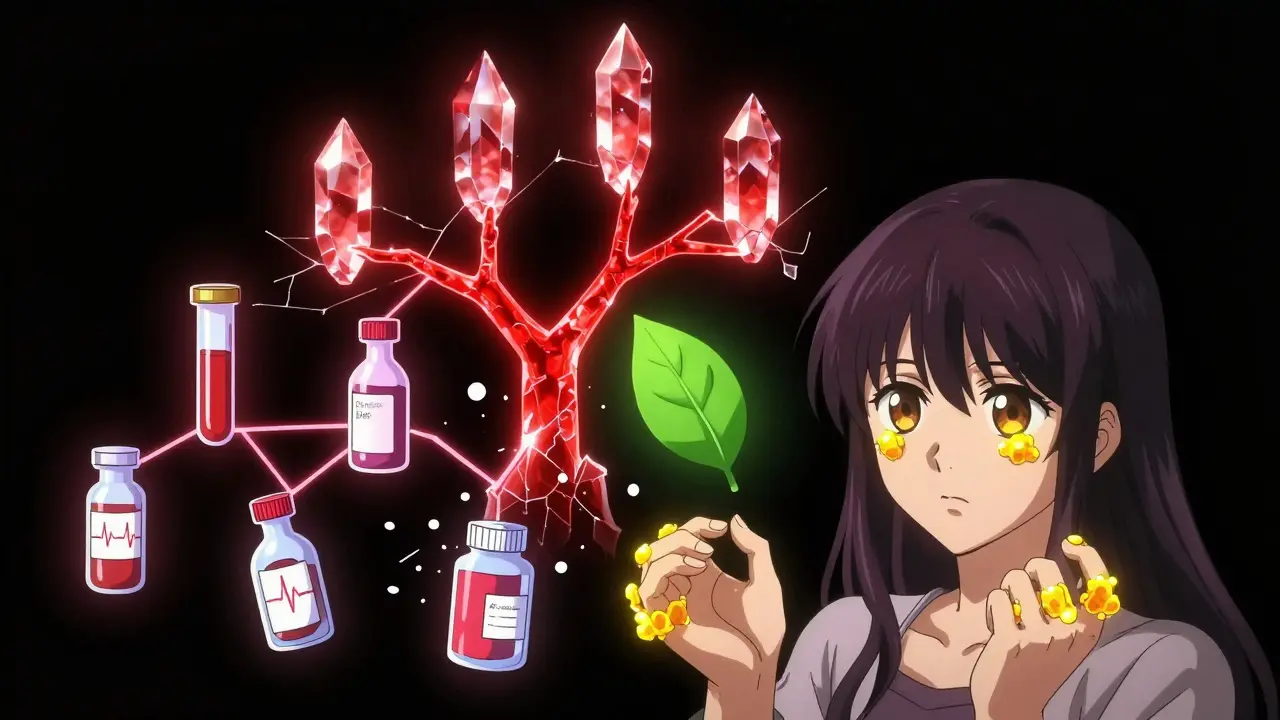
Physical signs can give it away. Yellowish lumps on the knuckles or Achilles tendons? Those are tendon xanthomas-cholesterol deposits. Yellow patches around the eyelids? Xanthelasmas. These aren’t just cosmetic. They’re warning signs. If you see them, get tested. And if a close family member had early heart disease, you’re at higher risk too.
Why Your Lifestyle Still Matters (Even If You Have FH)
Yes, genetics can lock you into high cholesterol. But that doesn’t mean you’re powerless. Even if you have FH, diet and exercise still help. The Portfolio Diet-rich in oats, nuts, soy, plant sterols, and fiber-has been shown to cut LDL by 10-15% in clinical trials. That might not be enough on its own for someone with FH, but when combined with medication, it can make a huge difference.
And for the majority of people with high cholesterol-not FH-it’s mostly lifestyle. Eating too many fried foods, processed snacks, sugary drinks, or red meat? That’s the culprit. So is being inactive. The Mayo Clinic found that people who sit more than 8 hours a day have significantly higher LDL levels than those who move regularly.
Here’s what actually works: swap out butter for olive oil. Choose whole grains over white bread. Eat beans, lentils, and broccoli instead of processed meats. Walk 30 minutes a day. You don’t need to go vegan or do CrossFit. Small, consistent changes add up.
How It’s Diagnosed (And When to Get Tested)
You can’t guess your cholesterol level. You need a blood test. The lipid panel measures total cholesterol, LDL, HDL (the "good" kind), and triglycerides. The good news? You don’t even need to fast anymore. Recent guidelines from the National Lipid Association say fasting isn’t required for routine screening.
So when should you get tested? The U.S. Preventive Services Task Force recommends everyone between 40 and 75 get checked during their regular health checkup. But if you have a family history of early heart disease, or if you’re overweight, diabetic, or have high blood pressure, get tested sooner. Even in your 20s. Some experts now suggest screening as early as age 20 for those with risk factors.
And don’t wait for symptoms. By the time you feel chest tightness or leg pain from poor circulation, the damage is already done.
Treatment: It’s Not Just Statins
Statins are the first-line treatment for most people. Drugs like atorvastatin and rosuvastatin can cut LDL by 50% or more. They’re safe, well-studied, and affordable. But they don’t work for everyone. About 1 in 5 people can’t tolerate them because of muscle pain or other side effects.
That’s where alternatives come in. Ezetimibe blocks cholesterol absorption in the gut and lowers LDL by about 18%. PCSK9 inhibitors like alirocumab and evolocumab are injectables that help your liver clear more LDL from the blood. They can drop LDL by 50-60% on top of statins. For someone with FH, doctors often use all three: statin + ezetimibe + PCSK9 inhibitor.
And now there’s inclisiran (Leqvio). Approved in 2021, it’s a new kind of drug-small interfering RNA-that reduces LDL with just two shots a year. No daily pills. No weekly injections. Just twice-yearly visits. It’s a game-changer for people who struggle with adherence.
Why So Many People Don’t Get Treated
Here’s the ugly truth: even when doctors prescribe medication, many people stop taking it. CVS Health found that only half of people on statins are still taking them after a year. Why? Side effects. Cost. Forgetting. Or thinking, "I feel fine, so I don’t need it."
But here’s what most don’t realize: you don’t feel high cholesterol. That’s the whole point. The damage is silent. By the time you feel it, it’s often too late.
There are also big gaps in care. In the U.S., only about 55% of people who should be on statins are actually taking them. Among Black adults, it’s even lower-42%. Women are less likely to be prescribed statins than men, even when their risk is the same. That’s not just a health issue. It’s a systemic one.
The Bigger Picture: Cost, Access, and Future Hope
High cholesterol doesn’t just hurt your heart-it hurts your wallet. In 2023, heart disease linked to cholesterol cost the U.S. $218 billion. $142 billion in medical bills. $76 billion in lost work and productivity.
Pharmaceutical companies made $14.3 billion selling statins last year. PCSK9 inhibitors brought in another $1.8 billion. But many people still can’t access them. In Australia, where I live, PBS subsidies help cover some of these drugs, but not all. And in places without universal healthcare, cost is a major barrier.
But there’s hope. New tools like polygenic risk scores are helping doctors identify people at risk long before their cholesterol spikes. Digital apps that track diet, activity, and medication are improving adherence. And public health campaigns are finally starting to focus on early screening, not just treatment.
The American Heart Association’s 2030 goal? A 20% improvement in heart health across the country. That means better access to testing, better education, better support for lifestyle changes-and yes, better medication access too.
What You Can Do Right Now
- Get your cholesterol checked if you haven’t in the last 5 years. If you’re over 40, or have any risk factors, do it now.
- Know your numbers. Ask your doctor for your LDL, HDL, and triglyceride levels-not just total cholesterol.
- If you have a family history of early heart disease, tell your doctor. Even if you’re young.
- Make one change this week: swap out one processed snack for nuts or fruit. Take a walk after dinner. Drink water instead of soda.
- If you’re prescribed medication, take it. Don’t stop because you "feel fine." You’re not supposed to feel anything.
High cholesterol doesn’t care how fit you are, how healthy you think you are, or how young you are. It’s silent. It’s common. And it’s preventable. The only question is: will you act before it’s too late?
Can you have high cholesterol even if you’re thin?
Yes. Body weight doesn’t determine cholesterol levels. Someone who is lean can still have high LDL due to genetics, diet, or other conditions like hypothyroidism or diabetes. Familial hypercholesterolemia often affects people who look perfectly healthy.
Does eating eggs raise cholesterol?
For most people, dietary cholesterol from eggs has a minimal effect on blood cholesterol. Saturated and trans fats have a much bigger impact. But if you have familial hypercholesterolemia or diabetes, your doctor may still recommend limiting egg yolks. One egg a day is usually fine for healthy people.
Can you lower cholesterol without medication?
Yes, for many people. The Portfolio Diet (oats, nuts, plant sterols, soy, fiber) can lower LDL by 10-15%. Regular exercise, quitting smoking, and losing excess weight also help. But if your LDL is over 190 mg/dL or you have FH, lifestyle changes alone usually aren’t enough-you’ll likely need medication too.
Is high cholesterol only a problem for older people?
No. High cholesterol can start in childhood, especially with familial hypercholesterolemia. Some kids are born with LDL levels twice the normal range. Early detection and treatment can prevent heart disease decades later. Screening should begin as early as age 20 if there’s a family history.
What happens if you ignore high cholesterol?
Over time, excess LDL builds up in your arteries, forming plaques that narrow or block blood flow. This leads to heart attacks, strokes, or peripheral artery disease. In untreated familial hypercholesterolemia, heart attacks can occur before age 40. Ignoring it doesn’t make it go away-it just gives it more time to damage your body.
Gaurav Kumar
March 17, 2026 AT 22:09Bro, cholesterol isn't some Western conspiracy - it's a biological reality. India's got more diabetics than the US, and yet we're all out here eating ghee like it's water. 😒
My uncle had LDL of 280. Ate nothing but roti and dal. Guess what? His arteries turned into concrete. Genetics? Sure. But also? Ignorance.
Stop blaming statins. Start blaming the myth that 'if you're thin, you're fine.' I've seen 22-year-old gym bros with plaque buildup. It's not about muscle - it's about lipid metabolism.
And for the love of god, stop calling it 'bad cholesterol.' LDL isn't evil. It's just doing its job… in excess. Like a fire alarm that won't shut off.
Portfolio Diet? Cool. But if you're FH-positive, that's like using a Band-Aid on a hemorrhage. Medication isn't weakness. It's biology.
Also - no, eating eggs won't kill you. Unless you're homozygous FH. Then even one yolk is a dare.
Stop romanticizing 'natural remedies.' I don't need your turmeric tea. I need a lipid panel. And a doctor who doesn't treat me like a yoga instructor.
India's silent killer? Not pollution. It's this cultural denial that 'heart disease is for fat people.'
Jeremy Van Veelen
March 18, 2026 AT 16:58LET ME TELL YOU SOMETHING. 🤯
High cholesterol doesn’t whisper. It SCREAMS - in silence. And we’re all just… listening to Spotify while our arteries turn into clogged drains.
I had a friend. 32. Lean. Vegan. Ate kale like it was oxygen. LDL? 214. No symptoms. No warning. Just… boom. Cardiac arrest. On a Tuesday.
Statins? Yeah, they’re not perfect. But they’re the difference between watching your grandkids grow up… and being a cautionary tale at a family reunion.
And don’t get me started on the 'I feel fine' crowd. You don’t feel your liver failing either. Until it’s too late.
THIS ISN’T A LIFESTYLE CHOICE. IT’S A BIOLOGICAL TERRAIN. And we’re all just walking blindfolded through a minefield.
Get tested. Now. Not next year. Not when you're 50. NOW.
Laura Gabel
March 19, 2026 AT 14:32Ugh. Another cholesterol post. Just take the pill. Stop overthinking it.
jerome Reverdy
March 21, 2026 AT 10:00There’s a lot here worth unpacking - and honestly, the real win is how the piece acknowledges that FH isn’t just about diet. That’s huge.
Most people think cholesterol = bad eating. But for 1 in 250? It’s a genetic bomb. And we’re not screening early enough. Not even close.
The fact that PCSK9 inhibitors and inclisiran exist? That’s medical innovation at its best. No daily pills. Two shots a year. Game-changer for adherence.
But here’s the kicker: access. In rural America, a lot of folks can’t even get a lipid panel, let alone a specialty injection. We’re treating symptoms, not systems.
And yeah - lifestyle matters. But for someone with FH? It’s like putting air in a tire with a hole. Helps. Doesn’t fix it.
We need to stop framing this as 'personal responsibility' and start treating it like hypertension or diabetes. Population-level screening. Insurance coverage. Early pediatric panels for at-risk families.
Also - tendon xanthomas? If you see them, run. Not walk. Run.
Andrew Mamone
March 23, 2026 AT 01:46My dad had FH. LDL over 400. Had his first heart attack at 37. 🫠
He’s 62 now. Alive. Because he took his meds. Even when he didn’t feel like it.
People think 'I feel fine' means 'I’m fine.' But your body doesn’t send notifications. No pop-up. No text. Just… silence.
Get tested. Know your numbers. If your doc doesn’t mention LDL specifically - ask. Demand it.
And if you have a family history? Don’t wait. Even at 20. Even if you’re 'healthy.'
❤️🩹
MALYN RICABLANCA
March 23, 2026 AT 23:23OH MY GOD. OH. MY. GOD. 😭
Did you know that cholesterol isn't even a 'thing'? It's a LIPID! A LIPID! And yet we treat it like a moral failing??
I had a cousin - 28, vegan, yoga instructor, 'wellness guru' - who had an LDL of 312. She cried because 'she ate so clean.'
But here's the TRUTH: your body makes 80% of its own cholesterol. So your 'clean diet'? Irrelevant. Genetics? The real villain.
And statins? They're not 'poison.' They're not 'Big Pharma's trap.' They're the reason my uncle didn't die at 39.
And don't even get me started on how women are dismissed. 'Oh, you're young. You're a woman. You're fine.' NO. YOU'RE NOT.
Also - xanthelasmas? That's not 'aging.' That's your body screaming: 'I NEED A LIPID PANEL NOW.'
And if you're still saying 'I don't need meds because I feel fine' - you're one heart attack away from being a statistic.
And yes - I'm mad. And you should be too.
gemeika hernandez
March 25, 2026 AT 21:22Cholesterol is a scam. You don't need to test it. Just eat less meat. Walk more. Done.
My grandma lived to 98. Never checked her numbers. Never took a pill.
Stop scaring people.
Nicole Blain
March 27, 2026 AT 21:08My mom got diagnosed with FH at 45. She’s 58 now. On statins + ezetimibe. No heart issues. Just regular checkups.
She used to say 'I don’t feel sick, so why bother?'
Now she says: 'I don’t feel anything. And that’s the point.'
❤️
Prathamesh Ghodke
March 29, 2026 AT 10:15Bro, I get it. You're scared. But let’s not turn this into a panic.
I’m from Mumbai. We eat butter, ghee, fried snacks - and yes, some of us still have normal cholesterol. Why? Genetics. Activity. Sleep. Not just food.
My cousin? 30. Thin. Vegan. LDL 210. Turns out - homozygous FH. Mom had a heart attack at 38.
So yeah - diet helps. But if you’re genetically wired for high LDL? You need more than kale.
Get tested. Not because you're scared. Because you care.
And if you’re on meds? Don’t stop. You’re not 'cured.' You’re managing. Like diabetes. Like hypertension.
It’s not weakness. It’s wisdom.
Stephen Habegger
March 29, 2026 AT 13:09One change this week. That’s it.
Swap soda for water. Take a walk. Ask your doctor for your LDL number.
That’s all you need to start.
Progress > perfection.
Sanjana Rajan
March 30, 2026 AT 10:38So you're telling me I have to take pills because I like cheese? 😒
My body is fine. I'm young. I'm active. I don't need your science.
Statins cause diabetes. I read it on Reddit.
Also - why are you blaming me for my genes? My ancestors ate ghee for 500 years. I'm just following tradition.
Maybe the problem isn't cholesterol… maybe it's your fear of death.
Kendrick Heyward
March 30, 2026 AT 20:36They’re lying. All of them.
Cholesterol isn’t the problem. It’s the statins.
Big Pharma invented 'high cholesterol' to sell pills.
My neighbor took statins. Got muscle pain. Then kidney failure. Then died.
He was 42.
Don’t be next.
👉
lawanna major
March 31, 2026 AT 04:35There’s a quiet tragedy here - one we don’t name.
We’ve turned prevention into a moral test. If you’re thin and healthy, you ‘deserve’ to be free of intervention. If you’re not - you ‘deserve’ your plaque.
But cholesterol doesn’t care about your worth.
It doesn’t care if you’re a yogi, a CEO, a single mom, or a college student.
It only cares about your genes, your lipids, your time.
And time? It doesn’t wait for your next 'wellness reset.'
Maybe the real revolution isn’t in the lab.
It’s in the way we stop blaming bodies - and start building systems that protect them.
Ryan Voeltner
March 31, 2026 AT 10:35Thank you for this comprehensive and clinically grounded exposition.
The integration of genetic, epidemiological, and pharmacological data is both necessary and commendable.
It is imperative that public health frameworks evolve to include early lipid screening for at-risk populations, particularly those with familial predisposition.
Moreover, the acknowledgment of socioeconomic disparities in access to PCSK9 inhibitors and inclisiran is not merely relevant - it is ethically urgent.
Continued advocacy for equitable pharmaceutical access remains a cornerstone of modern cardiovascular care.
Linda Olsson
April 2, 2026 AT 03:01Did you know the WHO doesn't even define 'normal cholesterol' the same way everywhere?
And why is the American Heart Association pushing statins so hard?
Maybe it's not about health.
Maybe it's about control.
They want you to take pills. To be dependent.
And what about the research that says low cholesterol increases risk of cancer and depression?
Why isn't that in the article?
There's a reason they don't talk about it.
They're hiding something.