
PPI Interaction: What You Need to Know About Drug Interactions with Proton Pump Inhibitors
When you take a proton pump inhibitor, a type of medication that reduces stomach acid production, commonly used for heartburn, ulcers, and GERD. Also known as PPI, it helps millions manage acid-related conditions—but it doesn’t work in isolation. Many of the drugs you’re taking—whether for blood pressure, depression, or infections—can interact with PPIs in ways that make them less effective, or even dangerous.
Drug interactions, when two or more medications affect each other’s absorption, metabolism, or effectiveness are a leading cause of avoidable hospital visits. PPIs like omeprazole, esomeprazole, and lansoprazole can block enzymes in your liver (like CYP2C19) that break down other drugs. This means medications like clopidogrel (a blood thinner), certain antifungals, or even some antidepressants might not work as they should. On the flip side, PPIs can also change how your stomach absorbs nutrients and drugs—like iron, vitamin B12, or antifungal pills—that need acid to dissolve properly.
Medication safety, the practice of using drugs correctly to avoid harm starts with knowing what’s in your medicine cabinet. If you’re on a PPI and also take a statin, an anti-seizure drug, or a bone density medication, you’re not just managing acid—you’re managing a chain reaction. That’s why keeping a personal medication list isn’t optional. It’s your first line of defense against silent, slow-burning interactions that no one tells you about until something goes wrong.
These aren’t theoretical risks. Studies show that people on PPIs and clopidogrel together have a higher chance of heart attacks. Others report unexplained fatigue or bone fractures after long-term use because their bodies couldn’t absorb key nutrients. And while PPIs are often prescribed for months or years, few patients are ever warned about what else they might be blocking—or letting slip through.
Below, you’ll find real, practical guides on how to spot dangerous combinations, what to ask your pharmacist, and how to protect yourself when you’re on multiple meds. From how bioequivalence waivers affect generic PPIs to why women may experience more side effects, these posts give you the facts—not the fluff. You don’t need to guess what’s safe. You just need to know what to look for.
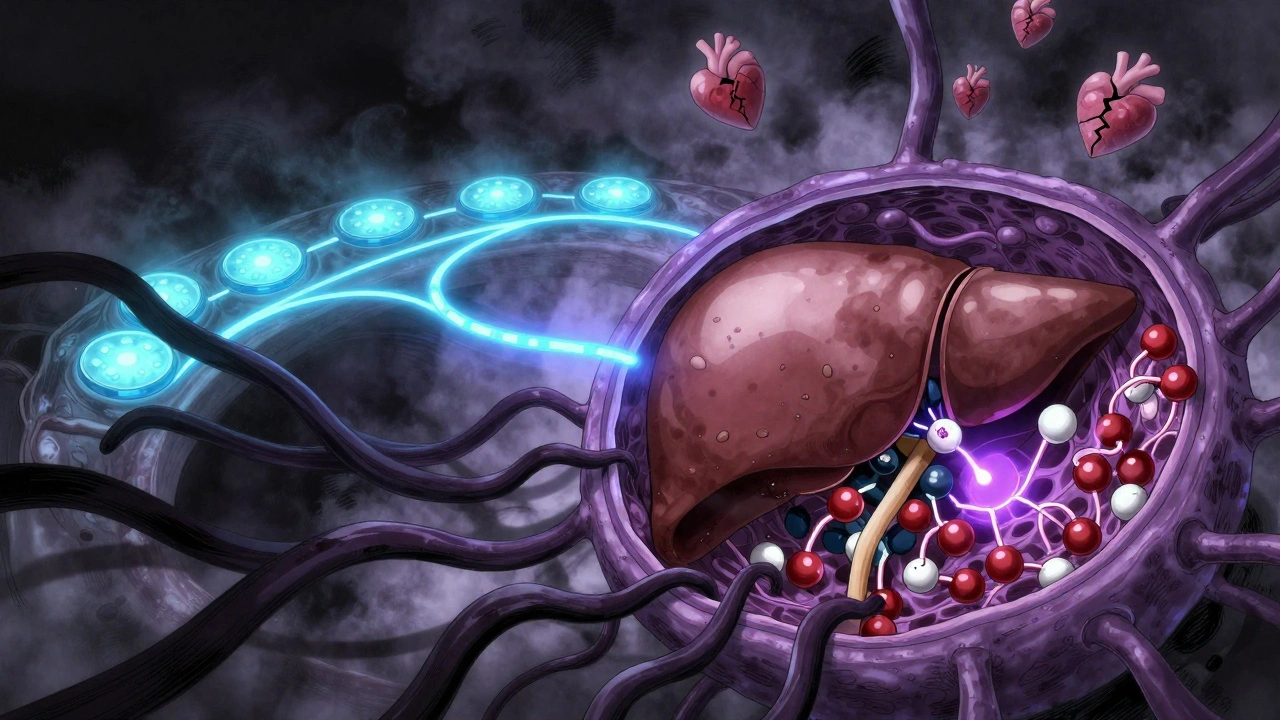
Proton Pump Inhibitors and Clopidogrel: What You Need to Know About the Drug Interaction
Clopidogrel and certain PPIs like omeprazole can interact, reducing clopidogrel’s effectiveness and raising heart event risk. Pantoprazole is the safest alternative. Learn who’s at risk and what to ask your doctor.