
Post-Discharge Meds: What You Need to Know to Stay Safe After Hospital Stay
When you leave the hospital, your post-discharge meds, the medications prescribed to you after leaving the hospital to manage recovery or chronic conditions. Also known as discharge prescriptions, they’re meant to keep you out of the hospital—but too often, they become the reason you go back. Nearly 1 in 5 patients ends up readmitted within 30 days, and a big part of that is messed-up medication plans. It’s not always the drugs themselves—it’s how they’re handed off, how they’re explained, or how they’re taken after you walk out the door.
Think about it: you’re discharged with 5 new pills, 3 changed doses, and a list of things to avoid. Maybe your old blood pressure med got pulled, your diabetes drug got doubled, and now you’re told to take something new for pain that could mess with your kidney meds. This isn’t rare—it’s standard. And no one always explains medication safety, the practices that prevent harm from drugs after hospitalization, including proper storage, timing, and interaction awareness. Or how to tell if a new pill is supposed to look different than your old one. Or why your pharmacist says one thing and your doctor said another. These gaps aren’t accidents—they’re systemic.
That’s why hospital discharge plan, the structured process of transitioning patients from hospital care to home, including medication reconciliation and follow-up instructions. matters so much. A good one doesn’t just hand you a paper list. It walks you through each pill, checks for conflicts with your other meds, and tells you what symptoms mean danger. It doesn’t assume you remember everything from your hospital stay. It doesn’t rely on your family to figure it out. And it doesn’t leave you guessing whether that new headache is from the surgery—or from mixing your new painkiller with your old antidepressant.
You’re not alone if this feels overwhelming. Most people don’t know their own meds after discharge. Studies show over half can’t name even half their new prescriptions. And if you’re over 65, taking 5 or more drugs, or have kidney or liver issues? You’re at higher risk. That’s why drug adherence, the practice of taking medications exactly as prescribed, including timing, dosage, and duration. isn’t just about willpower—it’s about clarity, support, and systems that actually work for real people, not just clinical guidelines.
The posts below cover exactly what you need to make sense of this mess. You’ll find real advice on how to catch dangerous drug combos, why your new pill looks nothing like your old one, how to talk to your pharmacist without feeling rushed, and what to do if you forget a dose or start feeling weird. There’s no fluff. No jargon. Just clear, practical steps to keep you safe after you leave the hospital. Whether you’re managing heart failure, diabetes, or just recovering from surgery, these guides help you take control—before the next emergency hits.
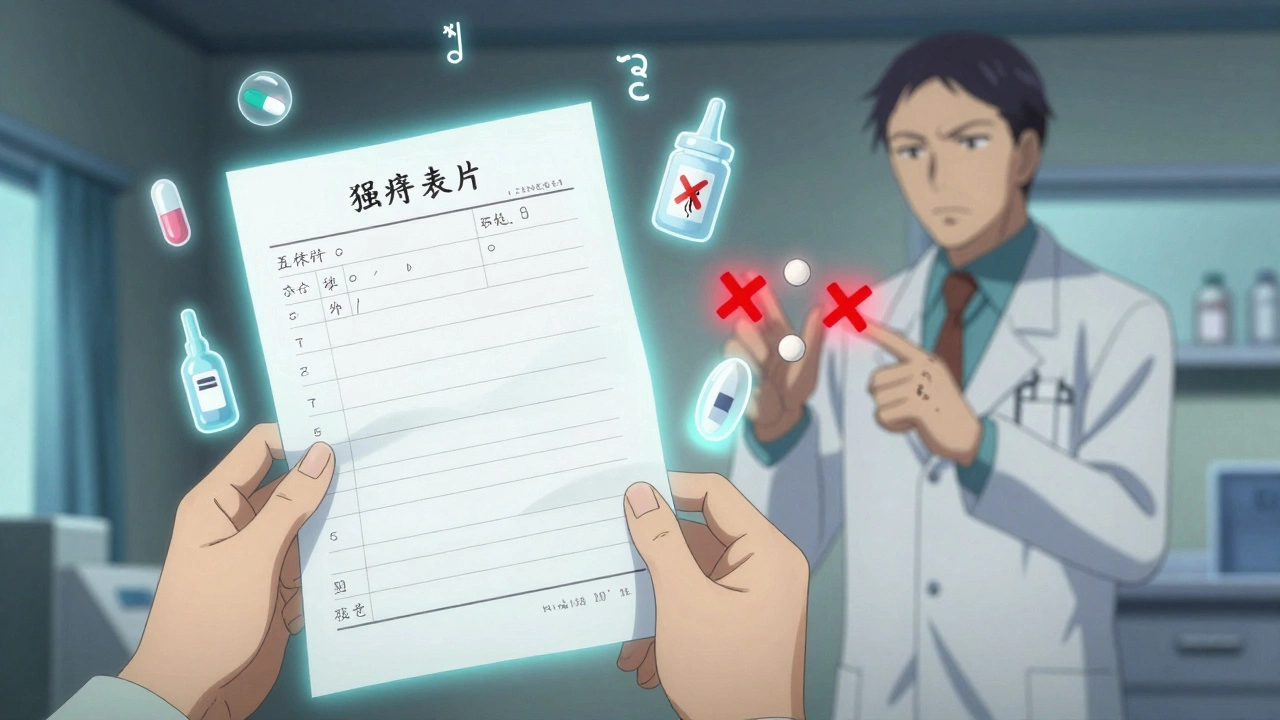
How to Reconcile Medications After Hospital Discharge to Avoid Dangerous Interactions
Learn how to prevent dangerous drug interactions after hospital discharge by mastering medication reconciliation-step by step, from admission to follow-up. Know what to ask, what to check, and when to act.