
Medication Errors: How to Spot, Prevent, and Avoid Dangerous Mistakes
When you take a pill, you expect it to help—not hurt. But medication errors, mistakes in prescribing, dispensing, or taking medicines that lead to harm. Also known as drug errors, they’re one of the most common causes of preventable injury in healthcare. These aren’t just rare accidents. They happen every day—wrong dose, wrong drug, wrong patient—and often go unnoticed until it’s too late.
One of the biggest risks? drug interactions, when two or more medicines react in a way that reduces effectiveness or causes dangerous side effects. Take clopidogrel and omeprazole together, and your heart attack risk can spike because the drug stops working. But swap omeprazole for pantoprazole, and you’re safe. These aren’t theoretical risks—they’re real, documented, and avoidable. Then there’s dose verification, the process of double-checking medication amounts before administration. A single decimal point mistake can turn a safe dose into a lethal one. Hospitals use barcode scanners and SBAR communication to catch these, but at home, you’re your own last line of defense.
You don’t need a medical degree to stop these errors. Start with a medication list, a written or digital record of every drug, supplement, and over-the-counter item you take. Include dosages, times, and why you’re taking each one. Keep it updated. Show it to every doctor, pharmacist, and ER nurse. It’s not just advice—it’s a life-saving habit. And don’t assume generics are different from brand names. They’re the same drug, same effect, same safety profile—just cheaper. The FDA requires it. But counterfeit pills from overseas? Those are a different story. Fake bupropion, fake Viagra, fake antibiotics—they’re out there, and they can kill.
Women are more likely to have bad reactions. Older adults are more likely to mix dangerous combinations. Kids are more likely to swallow what they shouldn’t. And no one checks their own meds closely enough. That’s why the posts below aren’t just information—they’re tools. You’ll find exact steps to build your own medication list, how to recognize overdose signs before it’s too late, why some drug combos are deadly even when taken as directed, and how genetic differences can change how your body handles a pill. You’ll learn what to ask your pharmacist about biosimilars, how to spot a fake online pharmacy, and why your childproof cabinet might still be unsafe. This isn’t theory. It’s what people actually need to do to stay alive.
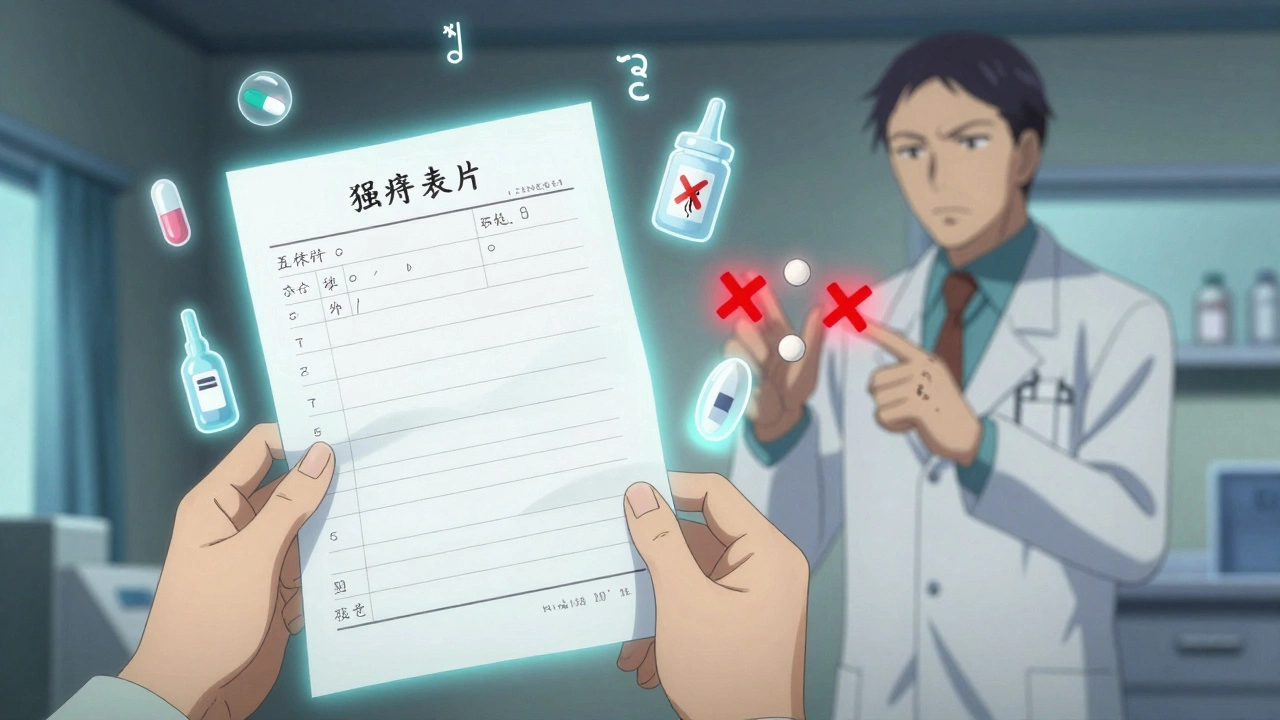
How to Reconcile Medications After Hospital Discharge to Avoid Dangerous Interactions
Learn how to prevent dangerous drug interactions after hospital discharge by mastering medication reconciliation-step by step, from admission to follow-up. Know what to ask, what to check, and when to act.