
CYP2C19: How Your Genes Affect Medication Response and Safety
When your body breaks down medication, it doesn’t treat all drugs the same. One of the main workers in this process is CYP2C19, a liver enzyme that metabolizes many common drugs, including antidepressants, blood thinners, and anti-seizure meds. Also known as cytochrome P450 2C19, it’s one of the most important players in pharmacogenomics, the study of how your DNA affects how you respond to drugs.
Your genes decide whether CYP2C19 works fast, slow, or not at all. If you’re a fast metabolizer, your body clears drugs too quickly — the medicine might not work. If you’re a slow metabolizer, the drug builds up in your system, raising your risk of side effects. For example, clopidogrel (a blood thinner) won’t work well in slow metabolizers, leaving them at higher risk for heart attacks. Same with proton pump inhibitors like omeprazole — some people need double the dose just to get the same effect. This isn’t about being "non-compliant" — it’s biology. And it’s why two people taking the same pill can have totally different outcomes.
CYP2C19 doesn’t work alone. It’s part of a family of enzymes, including CYP2D6, another major drug-metabolizing enzyme that handles antidepressants, painkillers, and beta-blockers. Together, these enzymes explain why some people get dizzy on a low dose of a drug while others need triple the amount. That’s also why genetic drug response, testing your DNA to predict how you’ll handle meds is no longer science fiction — it’s becoming standard in hospitals and specialty clinics. You don’t need to guess anymore. A simple saliva test can tell your doctor whether you’re likely to have bad reactions or need a different drug entirely.
The posts below dive into exactly how this works in real life. You’ll find stories about how people avoided dangerous interactions because they knew their CYP2C19 status. You’ll see how doctors adjust doses based on genetics, not just weight or age. And you’ll learn how to talk to your provider about testing — even if your insurance doesn’t cover it yet. This isn’t just about science. It’s about making sure the medicine you take actually works — and doesn’t hurt you.
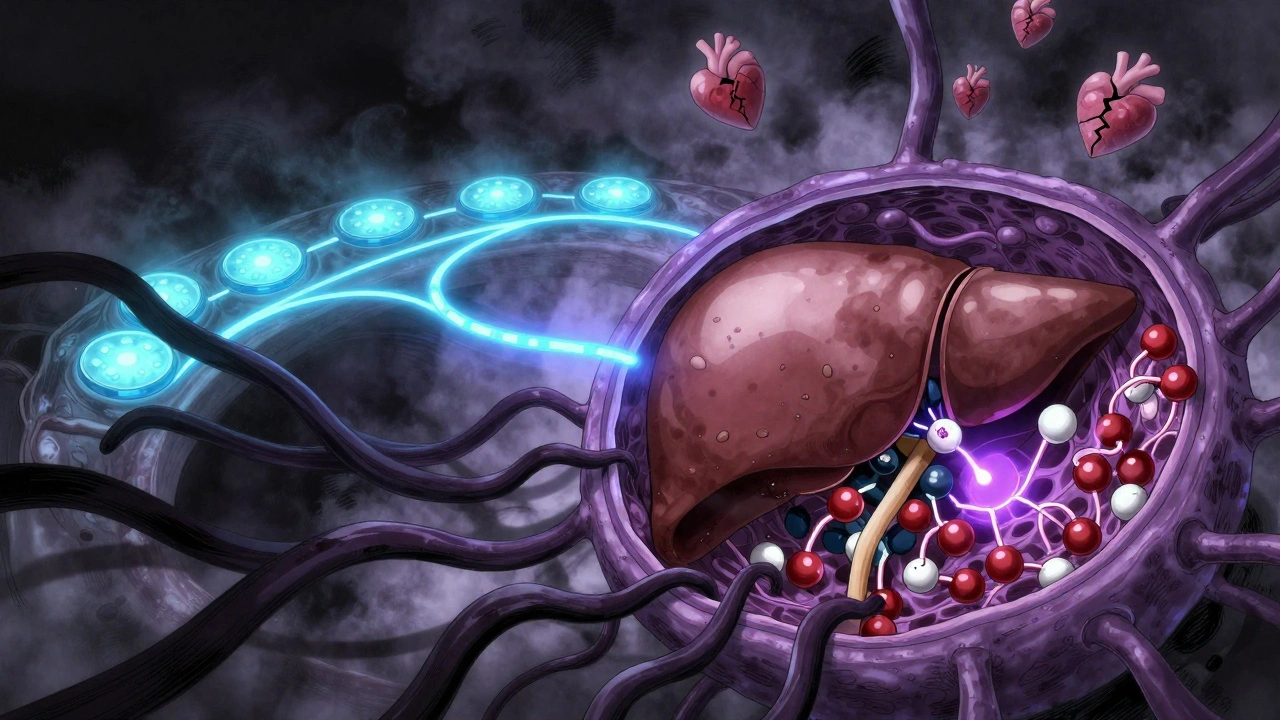
Proton Pump Inhibitors and Clopidogrel: What You Need to Know About the Drug Interaction
Clopidogrel and certain PPIs like omeprazole can interact, reducing clopidogrel’s effectiveness and raising heart event risk. Pantoprazole is the safest alternative. Learn who’s at risk and what to ask your doctor.