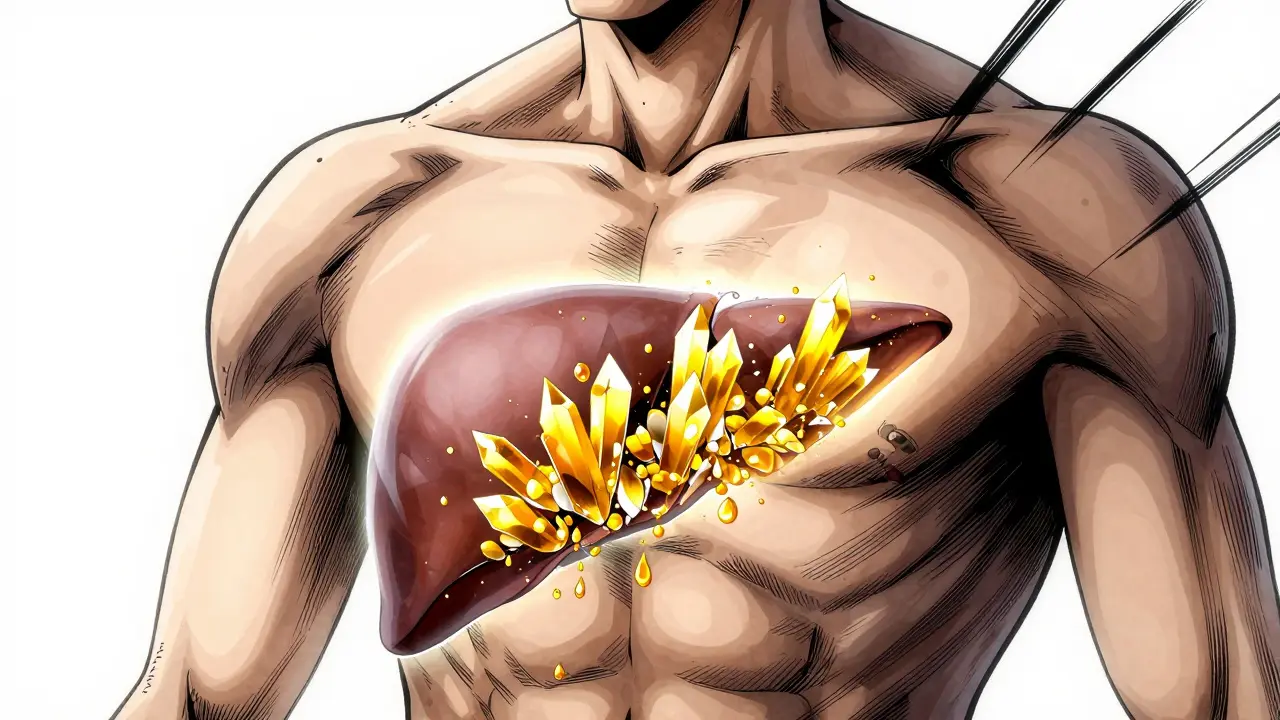
The Shift from NAFLD to MASLD: Why the Name Change Matters
You might see old articles using the term NAFLD, but since June 2023, the American Association for the Study of Liver Diseases shifted to MASLD. Why bother changing the name? Because the old name defined the disease by what it wasn't (not caused by alcohol). The new name defines it by what it is: a result of metabolic dysfunction. This means if you have high blood pressure, type 2 diabetes, or high triglycerides, your liver is at a much higher risk.
The disease exists on a spectrum. It starts as simple steatosis (just fat in the liver), but it can evolve into MASH (Metabolic Dysfunction-Associated Steatohepatitis). MASH is where the real danger lies because it adds inflammation and cell damage to the fat. If left unchecked, this leads to fibrosis-where the liver develops scar tissue-and eventually cirrhosis, which is permanent scarring that can lead to liver failure or cancer.
Who is Actually at Risk?
This isn't a rare condition. In fact, about 25% of the global population is dealing with some form of fatty liver. While anyone can develop it, certain markers are huge red flags. If you have a waist circumference greater than 40 inches (for men) or 35 inches (for women), your risk spikes. Central obesity is a primary driver because fat stored around the belly is metabolically active and sends free fatty acids straight to the liver.
Other critical risk factors include:
- Type 2 Diabetes: About 70% of people with the more severe MASH also have diabetes.
- Insulin Resistance: When your cells stop responding to insulin, your body struggles to manage glucose, leading to fat deposits in the liver. This is present in roughly 90% of cases.
- Dyslipidemia: Specifically, having triglycerides higher than 150 mg/dL.
- Hypertension: High blood pressure often goes hand-in-hand with the metabolic syndrome that fuels liver fat.
Interestingly, this is increasingly becoming a pediatric issue. While only 3-10% of children generally have the condition, that number jumps to 70% among obese children. This means the window for prevention is starting earlier than ever.

Spotting the Warning Signs (or Lack Thereof)
The most frustrating thing about MASLD is that it's a silent thief. In the early stages, most people feel completely fine. Only about 20% of patients report vague symptoms like fatigue or a dull ache in the upper right side of the abdomen. Because the symptoms are so non-specific, many people are misdiagnosed or told their slightly elevated liver enzymes are 'benign' by doctors who aren't looking closely enough.
By the time advanced symptoms appear, the liver is often severely compromised. Watch for these late-stage markers:
- Jaundice: Yellowing of the skin and eyes due to bilirubin buildup.
- Ascites: Fluid accumulation in the abdomen, which can cause visible swelling.
- Hepatic Encephalopathy: Confusion or mental fog caused by the liver's inability to clear toxins from the blood.
| Feature | Simple Steatosis (NAFL) | MASH (NASH) |
|---|---|---|
| Liver Fat | Present (≥5% of cells) | Present + Inflammation |
| Cell Damage | Minimal to none | Significant (Ballooning) |
| Reversibility | Highly reversible (up to 90%) | Possible, but harder |
| Risk of Cirrhosis | Low | High (15-25% over 10 years) |
Proven Strategies for Prevention and Reversal
The most powerful tool you have against fatty liver isn't a pill-it's your lifestyle. Since MASLD is a metabolic disorder, you have to treat the metabolism to save the liver. The gold standard for recovery is structured weight loss. Research shows that losing just 5-7% of your total body weight can reverse steatosis in 81% of patients. If you can hit a 10% weight loss goal, you have a 45% chance of resolving MASH entirely.
How do you actually achieve this without burning out? Focus on these three pillars:
1. Nutritional Literacy and the Mediterranean Diet
It's not just about eating less; it's about what you eat. The Mediterranean Diet is widely considered the best approach for liver health. Focus on healthy fats (olive oil, nuts), lean proteins, and a massive amount of vegetables. One key trick is monitoring the glycemic index. Aim for foods with a glycemic index lower than 55 to prevent insulin spikes that tell your liver to store fat.
2. The Exercise Prescription
You don't need to run marathons, but you do need to move. The DRINA protocol suggests a target of 150 minutes of moderate exercise per week. A simple rule of thumb is to hit a minimum of 10,000 steps a day. Combining aerobic activity with strength training helps improve insulin sensitivity, which effectively 'unlocks' the fat stored in your liver so your body can burn it for energy.
3. Consistent Metabolic Monitoring
Don't guess-measure. Work with your doctor to track liver enzymes (ALT and AST). Generally, ALT levels above 30 U/L in women or 40 U/L in men in the presence of metabolic risks should trigger a deeper investigation. Instead of relying solely on invasive biopsies, ask about a FibroScan, a non-invasive ultrasound that measures liver stiffness and fat content.

The Role of Medication and New Treatments
For a long time, there were zero FDA-approved drugs for fatty liver. That changed in March 2024 with the approval of Resmetirom. This medication specifically targets MASH and has shown a significant reduction in liver fibrosis progression. While it's a huge breakthrough, it's not a 'magic pill' that replaces diet and exercise; it's a tool for those who have already progressed to more severe stages of the disease.
Looking forward, the medical community is moving toward even more accurate non-invasive tests. The Enhanced Liver Fibrosis panel is expected to be a game-changer by 2025, allowing doctors to detect advanced fibrosis with nearly 90% accuracy without needing to poke a needle into the liver.
Common Pitfalls to Avoid
Many people try to fix their liver with 'detox' teas or supplements. Be careful. There is very little evidence that these work, and some can actually stress the liver further. The most common mistake is the 'all-or-nothing' approach-people start a grueling exercise plan, feel exhausted (a common symptom of MASH), and quit within three months. The key is sustainability. A 500-calorie daily deficit and a steady walking habit are far more effective than a crash diet.
Another point of confusion is alcohol. While this is non-alcoholic fatty liver disease, adding alcohol to a liver already stressed by fat is like adding fuel to a fire. While some European guidelines suggest very modest intake might be okay, the safest bet for anyone with MASLD is complete abstinence to avoid accelerating the path to cirrhosis.
Can I reverse fatty liver if I already have fibrosis?
Simple steatosis is highly reversible. However, once you reach advanced fibrosis, the scarring becomes much harder to undo. While lifestyle changes can stop the progression and even improve some inflammation, severe cirrhosis is generally considered irreversible. This is why early detection via FibroScan or enzyme tests is so critical.
How long does it take to see improvement in liver fat?
Depending on the intensity of the intervention, significant reductions in liver fat can be seen within 3 to 6 months. For example, the DRINA protocol showed a 30% reduction in liver fat on MRI scans after six months of consistent moderate exercise and a calorie deficit.
Is MASLD the same as NAFLD?
Yes, they are the same condition. The name was changed from Nonalcoholic Fatty Liver Disease (NAFLD) to Metabolic Dysfunction-Associated Steatotic Liver Disease (MASLD) in 2023 to better reflect that the disease is driven by metabolic issues like obesity and diabetes rather than just the absence of alcohol.
What is the best diet for reversing fatty liver?
The Mediterranean Diet is currently the most recommended. It emphasizes olive oil, fish, vegetables, and whole grains while limiting refined sugars and high-glycemic carbohydrates. Reducing sugar intake is especially important because fructose is processed directly by the liver and can increase fat storage.
Do I need a liver biopsy to diagnose this?
A biopsy is still the 'gold standard' for staging fibrosis, but it is invasive. Many doctors now use non-invasive alternatives like the FibroScan or blood panels (like the Enhanced Liver Fibrosis panel) to assess liver health without the risks associated with a biopsy.